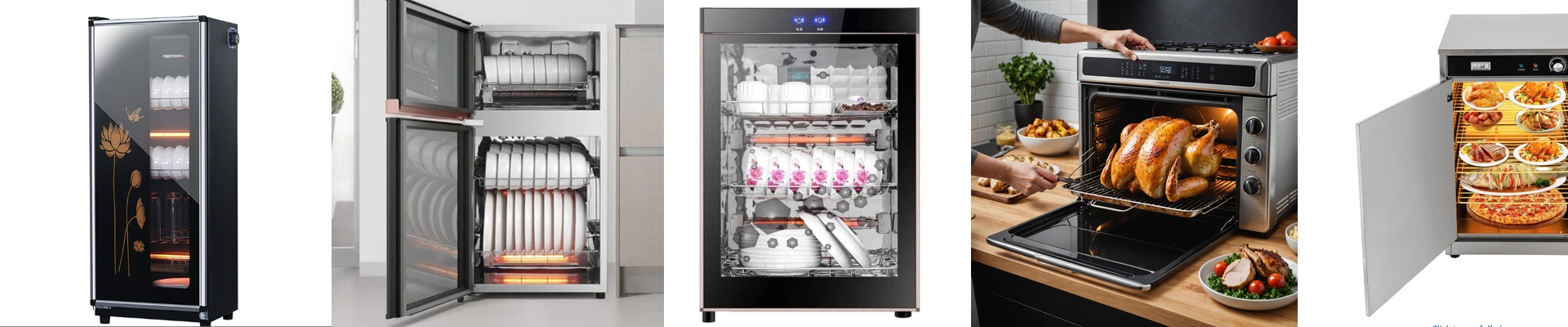
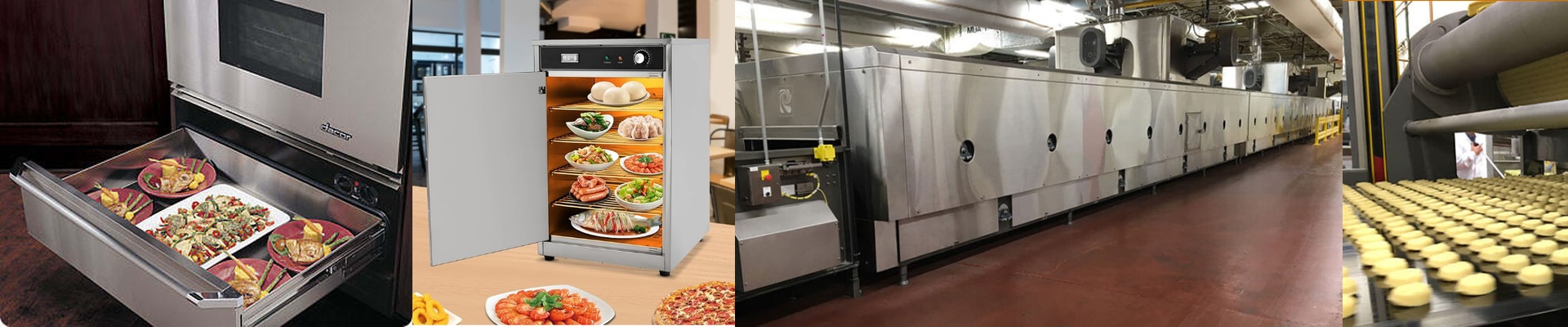
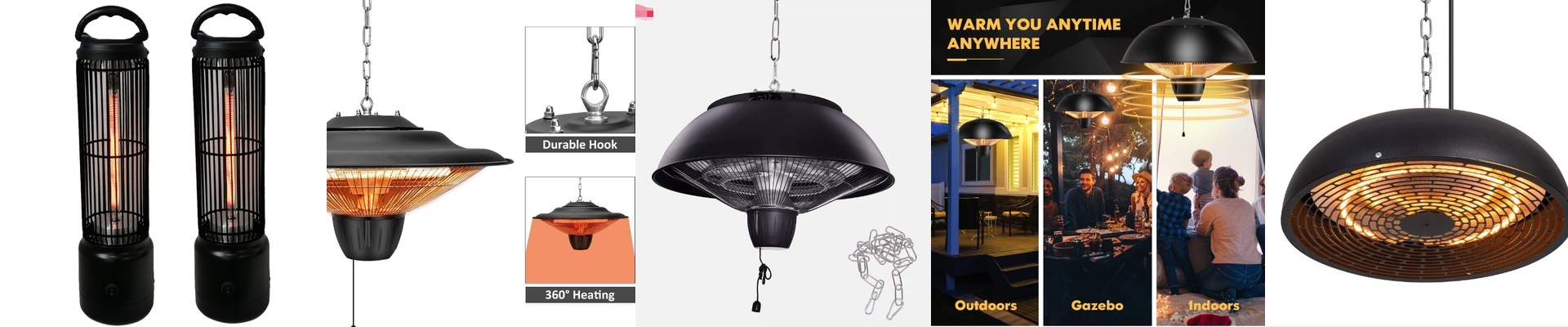

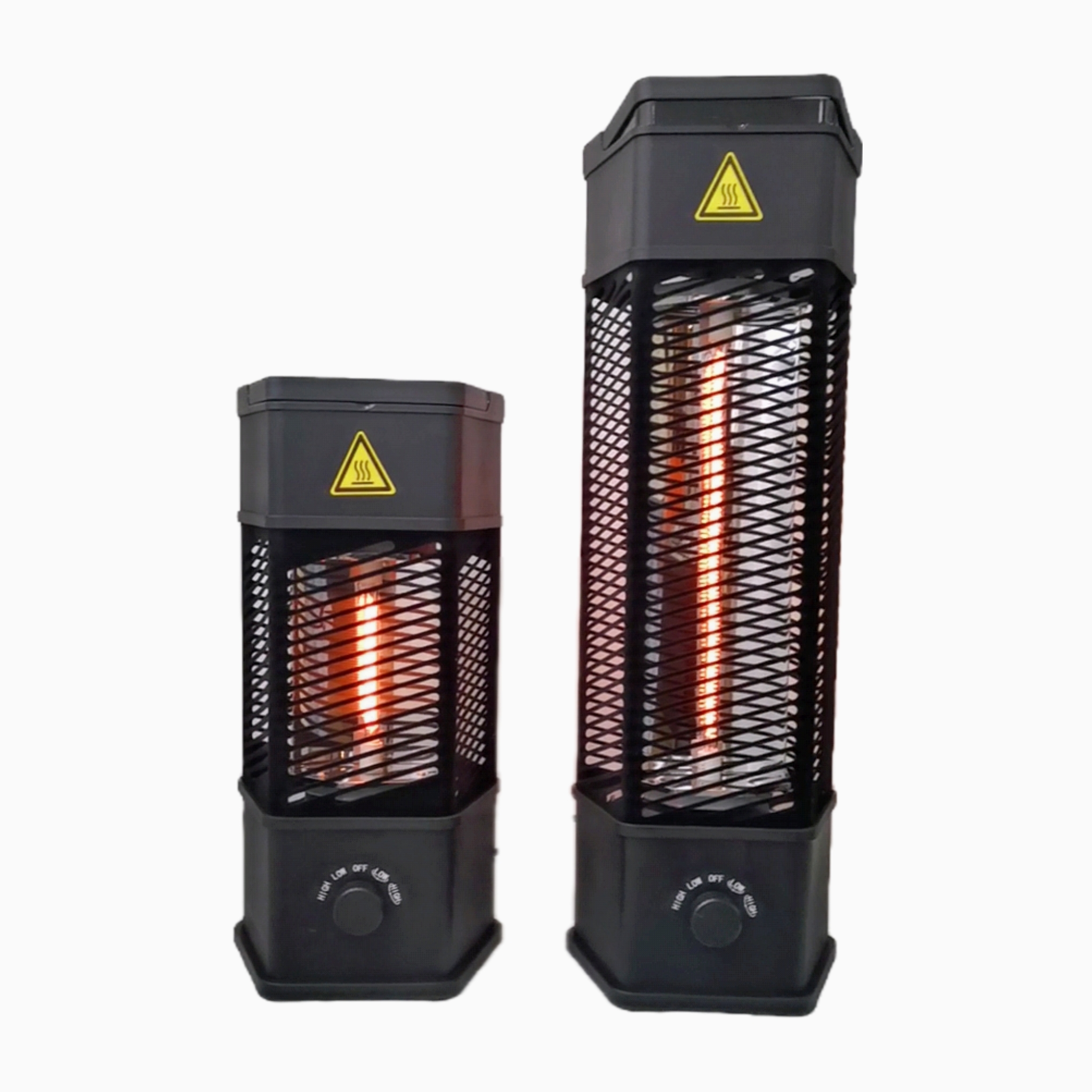
Step into our development lab, where the quiet hum is the sound of heat being dialed in. Before any unit leaves these walls, we measure, refine, and prove every beam of warmth. Our aim was straightforward: build infrared heat that feels natural, stays out of sight, and keeps performing after the sun drops. What we landed on is a low-light infrared heater built for spaces where comfort, mood, and visibility have to play nice together.
What matters under the hood
With low-light infrared, it all comes down to the emitters. We tune them so you get radiant warmth without glare that makes you squint. In the test chamber, we map the full spectrum output, balancing intensity against visual comfort. The payoff is immediate, directional heat—warming people and objects directly—while keeping visible light to a minimum.
Most of these units run off a standard 120V outlet, pull 1500W, and are built around durable quartz or carbon fiber elements that take repeated on/off cycles in stride. You get fast heat-up, steady output, and a quiet profile that fits living rooms, covered patios, and workshops without shouting for attention.
Why this approach makes sense
This shines in spots where forced-air heaters struggle: drafty corners, open-plan living rooms, and outdoor rooms that go cold the second dusk hits. Because the heat is radiant, it doesn’t get bullied by wind and air movement. You feel the comfort quickly, and the low-light character keeps the ambience intact—no harsh glare, just a soft glow and consistent warmth. In practice, that means fewer cold spots, more stable comfort, and a space that stays usable as the evening cools.
The details that keep it honest
Radiant comfort works best in direct line-of-sight, so placement matters. Point the unit to cover the main seating area and keep clearances clear for safety. Most models are plug-and-play. For hardwired installs, bring in a licensed electrician to sort circuit loading and grounding.
The warmth feels immediate, but very large or open spaces may need multiple units or a little backup heat. When you run these outdoors, pair them with insulated covers or wind screens to keep the heat where you want it.