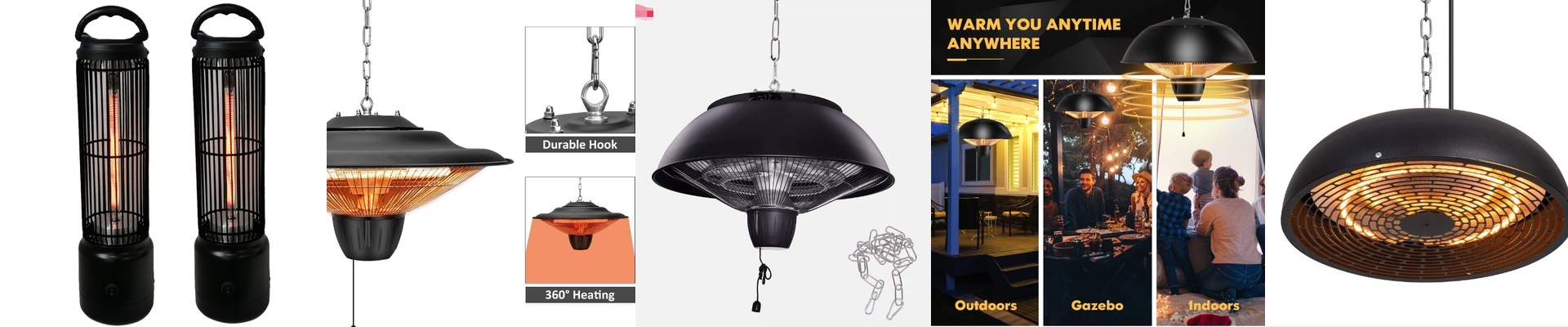
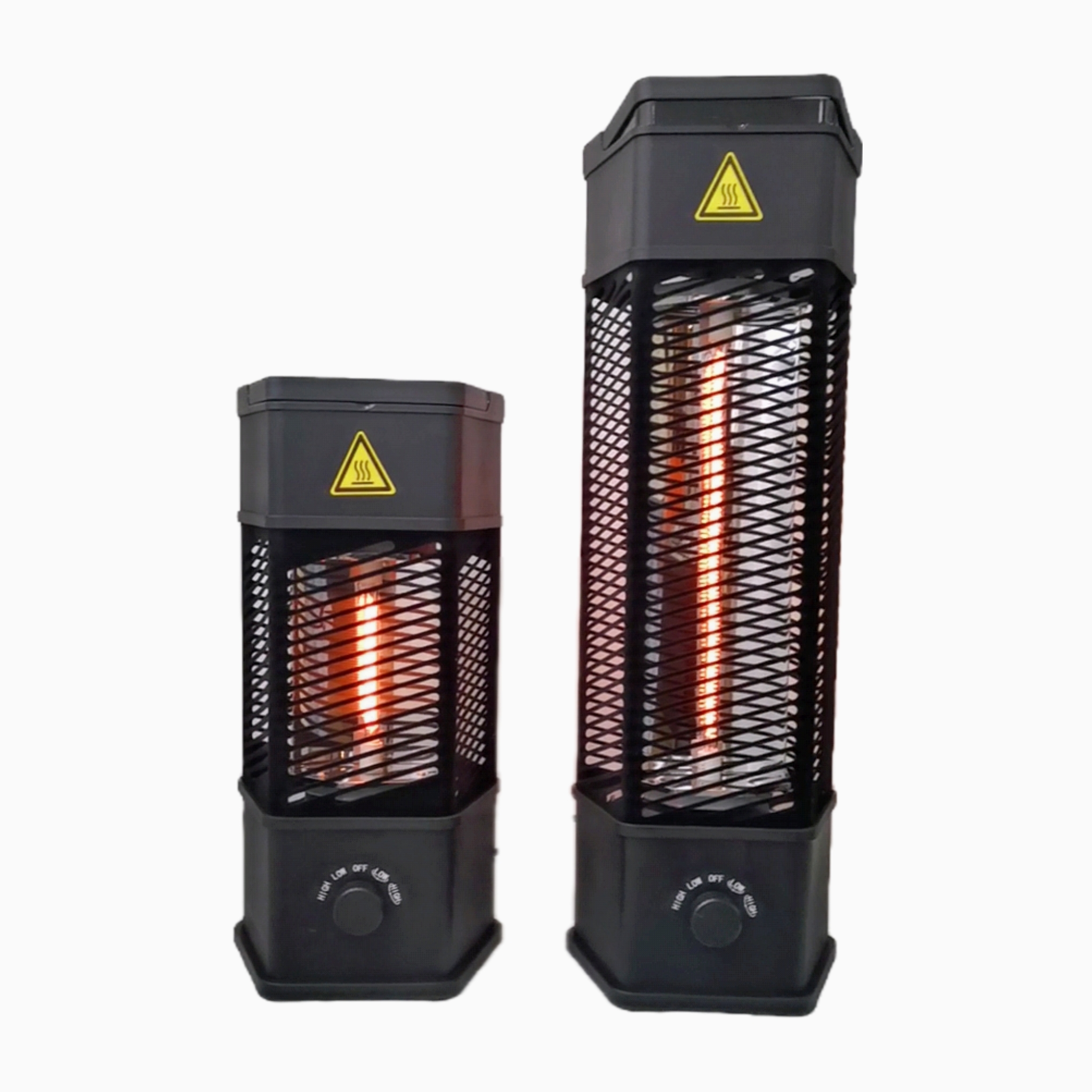
Step into our development lab, where the quiet hum is the sound of heat being dialed in. Before any unit leaves these walls, we measure, refine, and prove every beam of warmth. Our aim was straightforward: build infrared heat that feels natural, stays out of sight, and keeps performing after the sun drops. What we landed on is a low-light infrared heater built for spaces where comfort, mood, and visibility have to play nice together.
What matters under the hood
With low-light infrared, it all comes down to the emitters. We tune them so you get radiant warmth without glare that makes you squint. In the test chamber, we map the full spectrum output, balancing intensity against visual comfort. The payoff is immediate, directional heat—warming people and objects directly—while keeping visible light to a minimum. Most of these units run off a standard 120V outlet, pull 1500W, and are built around durable quartz or carbon fiber elements that take repeated on/off cycles in stride. You get fast heat-up, steady output, and a quiet profile that fits living rooms, covered patios, and workshops without shouting for attention.
Why this approach makes sense
This shines in spots where forced-air heaters struggle: drafty corners, open-plan living rooms, and outdoor rooms that go cold the second dusk hits. Because the heat is radiant, it doesn’t get bullied by wind and air movement. You feel the comfort quickly, and the low-light character keeps the ambience intact—no harsh glare, just a soft glow and consistent warmth. In practice, that means fewer cold spots, more stable comfort, and a space that stays usable as the evening cools.
The details that keep it honest
Radiant comfort works best in direct line-of-sight, so placement matters. Point the unit to cover the main seating area and keep clearances clear for safety. Most models are plug-and-play. For hardwired installs, bring in a licensed electrician to sort circuit loading and grounding. The warmth feels immediate, but very large or open spaces may need multiple units or a little backup heat. When you run these outdoors, pair them with insulated covers or wind screens to keep the heat where you want it.
開発ラボにお入りください。そこでは静かなハム音が熱の調整音となっています。いかなるユニットも出荷前に、私たちはすべての熱線を測定・調整・検証しています。目標は明確です:自然な感覚の赤外線熱を構築し、目立たず、日没後も安定した性能を維持することです。結果として得られたのは、快適性、雰囲気、視認性が共存する空間向けに設計された低照度赤外線ヒーターです。
内部で重要なポイント
低照度赤外線ヒーターでは、すべてがエミッターに依存します。眩しさを抑えつつ放射熱を調整しているため、目を細めることなく輻射熱を感じられます。試験室では全スペクトルの出力をマッピングし、輝度と視覚的快適性のバランスを取っています。その結果、即時かつ方向性のある熱が得られ、人や物体を直接温めつつ可視光は最小限に抑えられます。
多くのユニットは標準の120Vコンセントで動作し、1500Wを消費します。耐久性の高いクォーツまたはカーボンファイバー元素を中心に設計されており、頻繁なオン/オフサイクルに耐えられます。高速な立ち上がり、安定した出力、静音性を備え、リビングルーム、屋根付きパティオ、作業場に適しており、目立つことなく設置可能です。
この方法が合理的な理由
強制空気式ヒーターが苦手とする場所で効果を発揮します。具体的には、風の入りやすい隅、オープンプランのリビングルーム、夕暮れとともに冷え込む屋外空間です。輻射熱であるため、風や空気の流れに影響されにくく、迅速に快適さを感じられます。低照度の特性により環境の雰囲気も損なわれず、強い光のちらつきはなく、柔らかな光と安定した暖かさを提供します。実際には、冷えたスポットが減り、快適性が安定し、夕方の冷え込み時でも空間が使いやすくなります。
正確性を保つための詳細
放射熱の快適さは視線の直線上で最も効果的なので、設置場所が重要です。ユニットは主な着座エリアをカバーするように向け、安全のためにクリアランスを確保してください。ほとんどのモデルはプラグアンドプレイ対応です。ハードワイヤー設置の場合は、回路負荷や接地を確認するために有資格電気技術者を手配してください。
暖かさは即時に感じられますが、非常に広いまたは開放的な空間では複数台の設置や補助暖房が必要になる場合があります。屋外で使用する場合は、断熱カバーや風よけと組み合わせて、熱を必要な場所に保持してください。