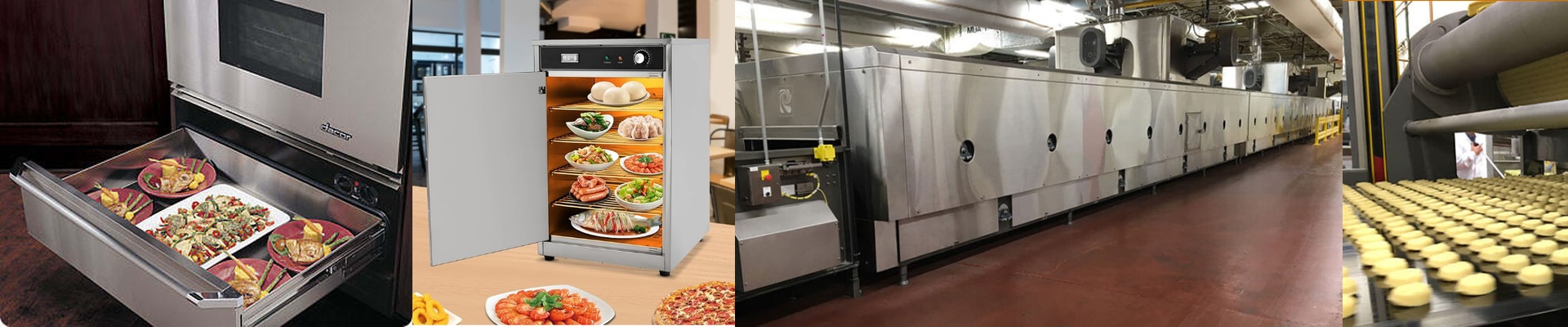
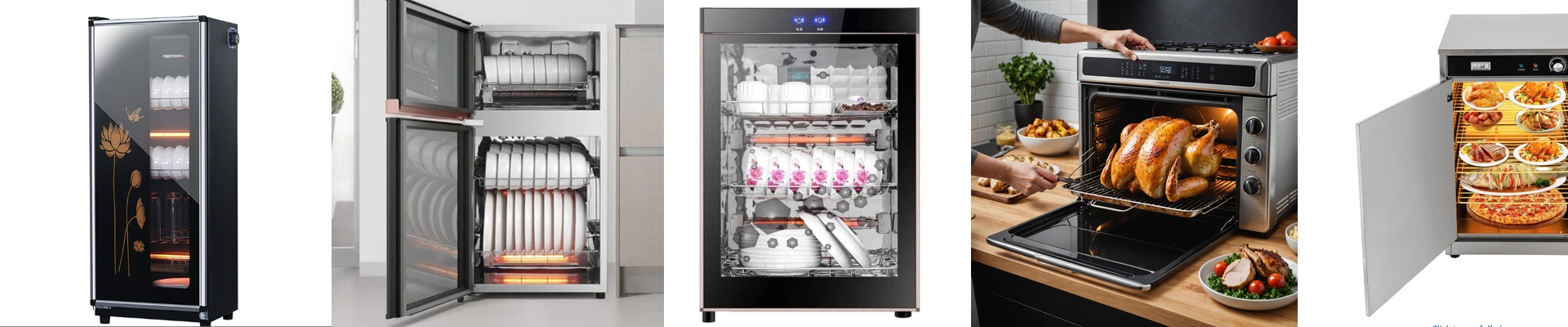
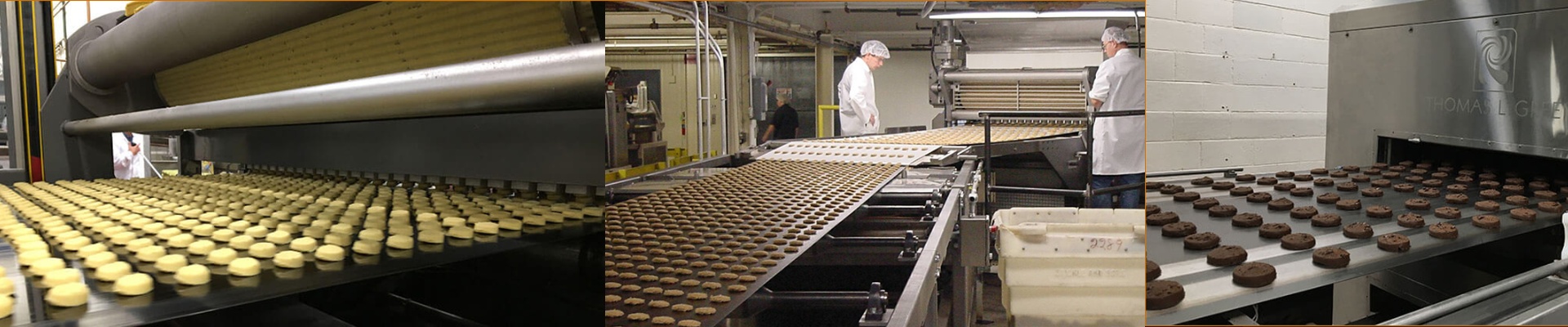
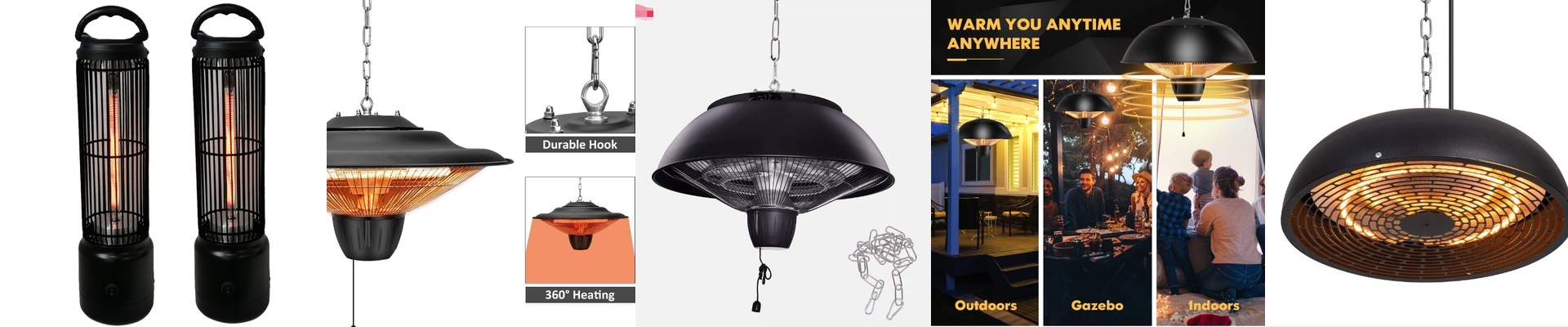
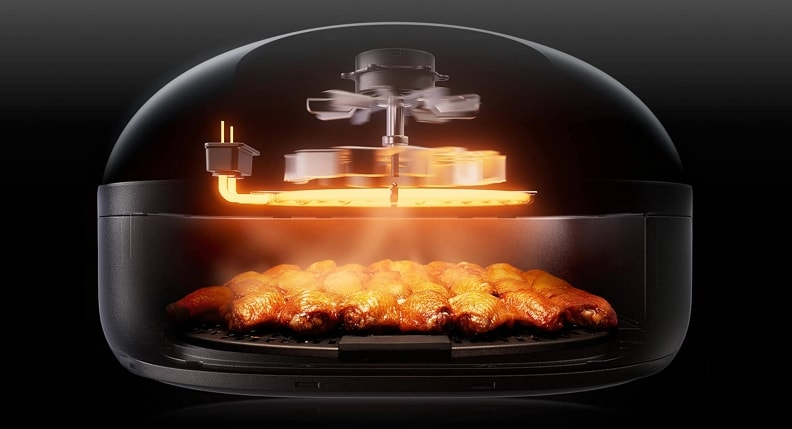
When the dinner rush hits, you can’t afford cold spots on your deck or rotary oven. A commercial food warmer lamp holds finished pies, breads, and roasted items at service temperature without drying out the crust or bogging down ticket times. The tradeoff is always cost versus output. What matters under the hood Most food warmer lamps run on short-wave infrared quartz or halogen elements. They heat up fast and throw heat where you need it—right onto pans and stone hearths. In practice, that lets you hold at temperature with lower ambient air heat, so moisture stays in the crumb, not in the air. The specs that drive the price are straightforward: rated wattage (usually 250–500W per lamp), voltage (120V or 240V), lamp length and mounting, and the reflector geometry that shapes the beam and evens out coverage. Lifespan varies in a meaningful way—many commercial units are rated for 3,000–5,000 hours—and fixture quality makes a real difference in how stable the output stays over time. Why it works in a real shop In a busy pizzeria or bakery, the lamp gives you two practical wins. It keeps holding temps steady during service, so the last order has the same texture as the first. And it cuts down on the need to over-fire the deck or convection chamber just to keep things warm, which can mean lower peak energy draw and fewer temperature swings. That translates to fewer throwaways, more consistent crust, and a calmer line. What to watch for Installation is simple, but heat is real. Keep the lamp well clear of plastic parts, proofing items, and any exposed wiring, and make sure the oven’s interior mounting points match the fixture dimensions. Electrical compatibility matters—commercial fixtures are often hard-wired, and a voltage mismatch will shorten lamp life. Plan for heat shielding where it’s needed; these lamps work by radiating heat, and that heat has to go somewhere.