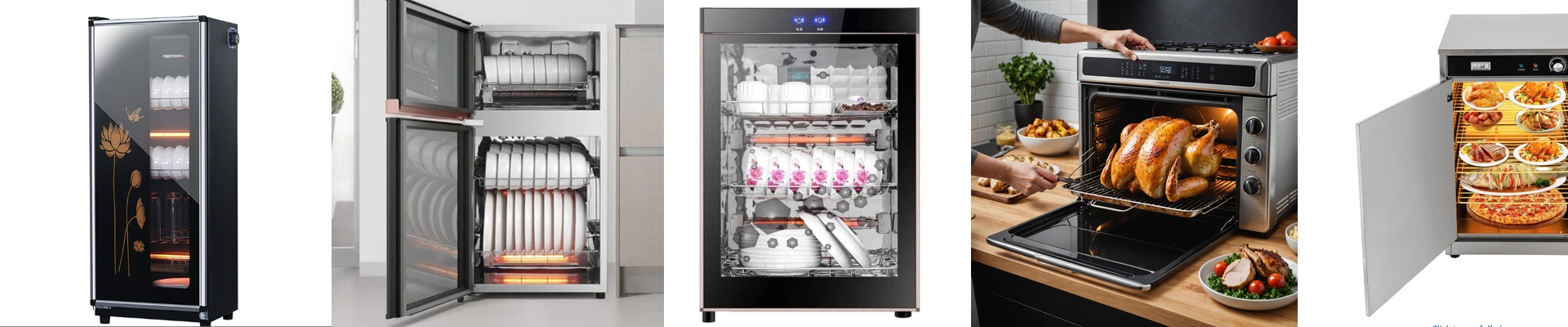
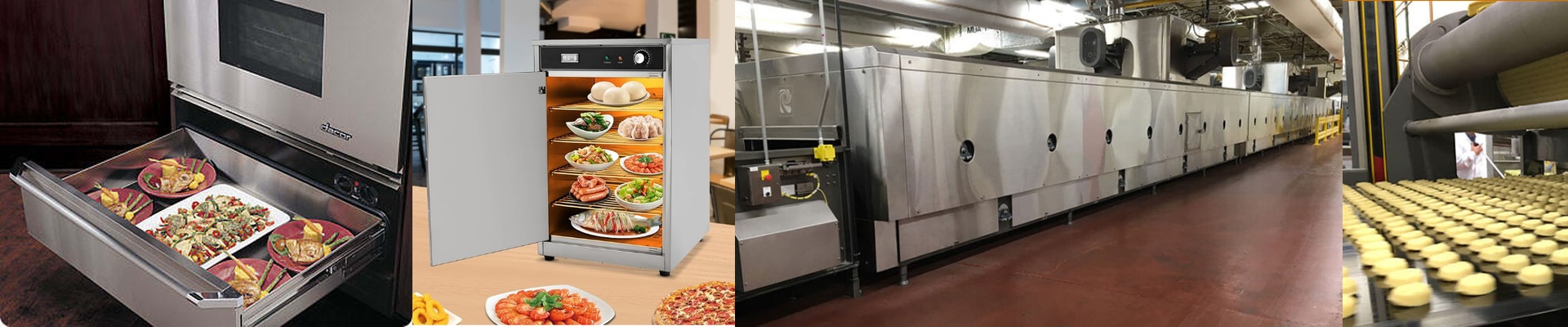
When the morning rush hits, your deck or rotary oven has to be a steady partner—not a question mark. If the heat can’t recover fast after the door swings open, you get slow comebacks, uneven color across the stone hearth, and trays that miss their bake window. We built a fast-response IR emitter to cut that inconsistency right at the source.
What matters under the hood
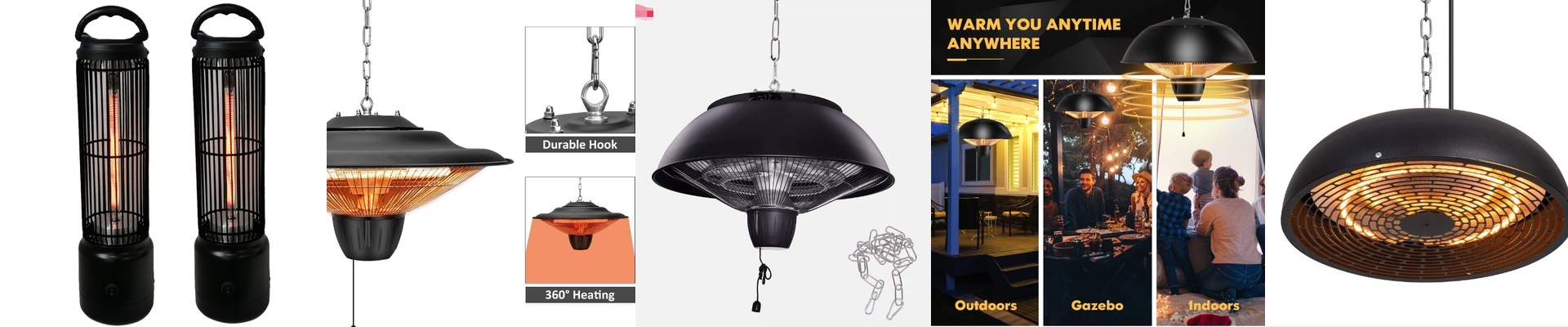
The core is a short-wave infrared emitter with a halogen-quartz filament, chosen because it heats fast and cools fast. In real life, that means the element hits target output in seconds, not minutes, so the baking chamber snaps back after every load. It’s spec’d for 240V with standard industrial terminals, so it drops into existing oven service panels without a rewiring job. Running at high watt density, it delivers intense radiant heat that penetrates the dough surface for clean caramelization, and the quick response keeps the thermostat loop tight and stable.
Why it works in a bakery oven
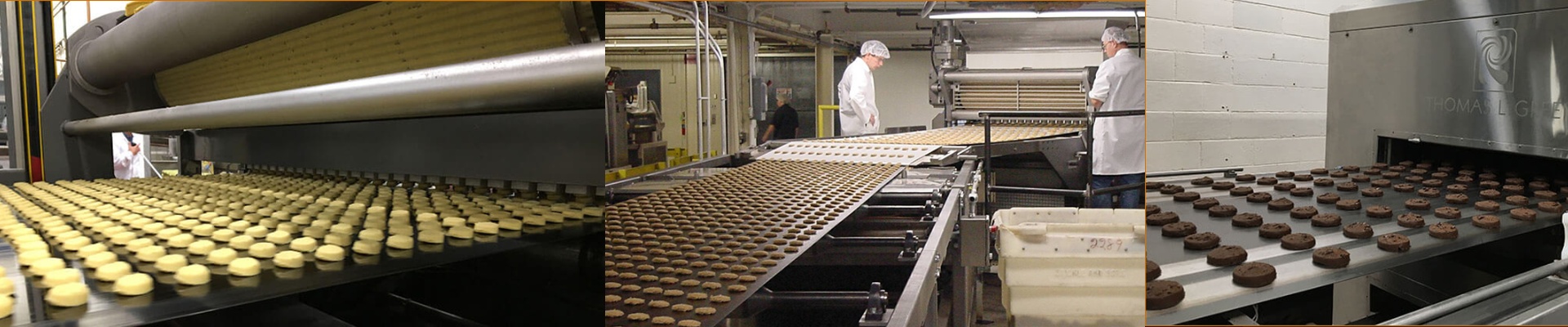
In a bakery oven, radiant heat builds crust structure, and response time is what keeps every tray consistent. With this IR emitter, you get shorter preheats, faster recoveries between bakes, and more repeatable color from the front of the deck to the back. That means fewer under-baked or over-browned batches, better yield, and a production line that feels calmer. You save energy too, because the oven spends less time idling at temperature and more time actually baking.
The details that matter on the install
Fast-response emitters run hot, so clearance and airflow inside the cavity have to be right. Follow the manufacturer’s spacing and shielding guidance—protect the wiring and keep insulation out of the hot zone. They’re a natural fit in radiant-dominant ovens like deck ovens and rotary ovens. In convection-heavy units, you still gain faster recovery, but the overall profile will stay more convective. When you order, nail down the voltage and mounting dimensions up front so you don’t run into fit issues.