
High Ceilings, No Headaches: How Modular Infrared Heaters Make 5-Year Maintenance a Breeze
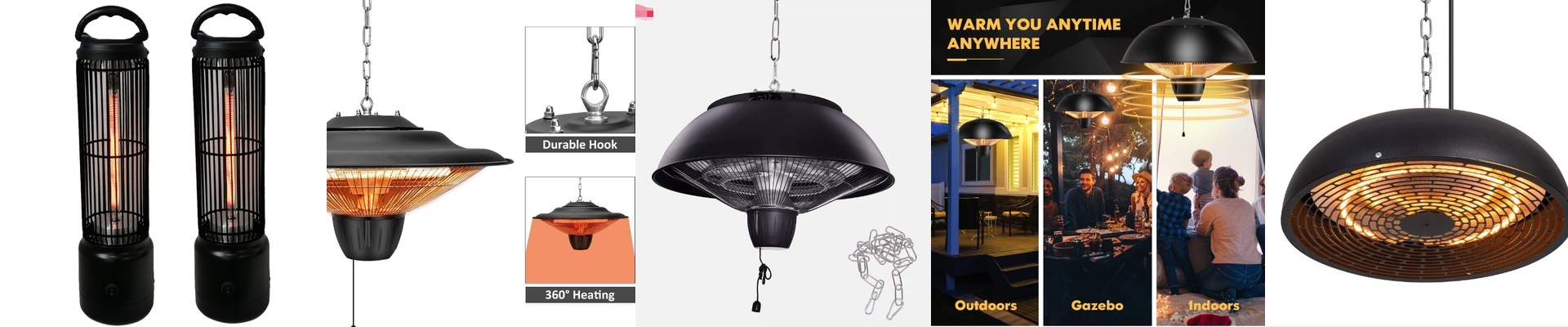
Let’s talk about heating a factory with tall ceilings. If you’ve ever watched your warm air rise straight up and vanish into the rafters, you know the frustration. It’s like trying to fill a bucket with a hole in it. That’s where our modular infrared heaters come in. They don’t chase the air. They deliver heat straight to the spot that needs it—right where you’re working. It’s focused, direct, and honestly, a lot more efficient than trying to warm the entire atmosphere.
Power, Voltage, and the Real-World Numbers
These heaters are built for the factory floor, not a quiet living room. They run on 400V, which is standard for industrial power. That means they pull less current than a 230V unit, which cuts down on voltage drop over long distances. Less voltage drop means you need less copper in your wiring. Less copper means lower material costs and easier installation. And the output? 2500W packed into a 300mm tube. It’s a small footprint that fits into tight spots, but it’s got the muscle to handle those high-ceiling demands.
The Inside Story: What Makes It Tick
The tube itself is wrapped in quartz, with a special coating that fine-tunes the infrared wavelengths. This keeps the surface temperature steady and protects the internal element, so the heat output stays consistent over time. Inside, a halogen-based element means you don’t wait around. Flip it on, and it comes to life fast. And the R7s connector? It’s an industrial standard for a reason. It locks in tight, handles the heat, and makes the whole thing a true drop-in replacement. You wire it once, and it stays put. No fiddling, no fuss.
Built for the Grind: The Shop Floor Reality
These heaters are made for tough environments. They shine in high-ceiling spaces because they send radiant heat directly to the target—not the air around it. So you waste less energy heating the roof, and you get a quicker warm-up on the production line. But here’s the part that really matters: the modular design. When a tube needs replacing—after about five years of steady use—you don’t rewire anything. You just swap the module. Minutes, not hours. No downtime. No headache. Now, a quick reality check: 2500W in a short tube means serious heat density. Make sure your mounting hardware and anything nearby can handle the temperature. Plan the layout up front, and this heater will run hard without causing trouble for the surrounding equipment.