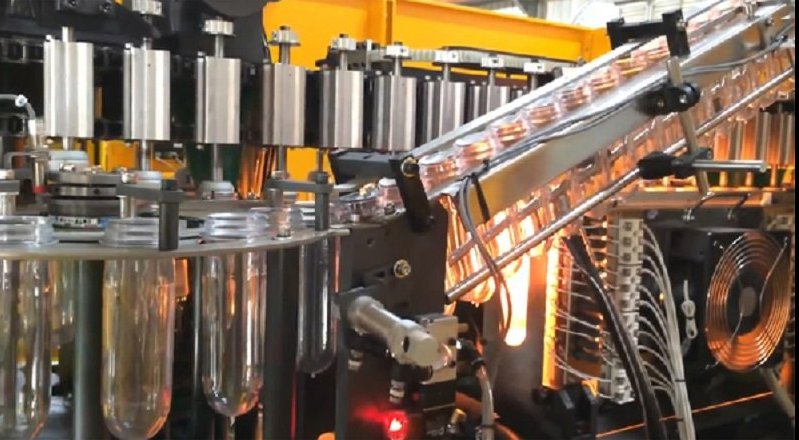
On the blow molding line, preform temperature isn’t a guess—it’s a variable you have to control. Let the heating tunnel drift and you’ll see PET crystallization or thin walls. Let the sensor lag and the stretch profile goes sideways, and scrap starts piling up. You need a temperature sensor that speaks the same language as your Sidel machine and delivers feedback in real time. What matters, technically We build the Sidel preform temperature sensor as a drop-in component that matches the machine. It uses a stable infrared approach to read preform surface temperature without contact, so the heating tunnel control loop gets immediate feedback. The emitter is matched to the OEM heating band, with standard mounting and a hard-wired connection that fits the existing junction and shielding. It responds fast enough to track rapid temperature changes as preforms move through the heating zone, and the output is compatible with the blow molder’s controller logic. In practice, that means you can hold a tighter temperature window across the preform body, not just at one spot. Why it works where it matters In a Sidel stretch blow molding cell, consistent preform temperature is what keeps cycle time up and rejects down. This sensor helps the heating system maintain the target curve across different preform designs and changing ambient conditions. The payoff is fewer upsets when you switch formats, less variation in bottle wall distribution, and output that’s more predictable. You also get longer service life than mismatched alternatives, which cuts unplanned stops and the churn of spare parts. The details that keep it honest Installation is straightforward, but the sensor has to be aligned to the preform path and the heating zone geometry. Verify the mounting bracket, connector type, and wiring length to avoid signal noise. Keep the lens window clean—dust and PET residue will skew readings. If you’re running at very high speeds, confirm the sensor’s response time matches the control strategy so you don’t get overshoot.