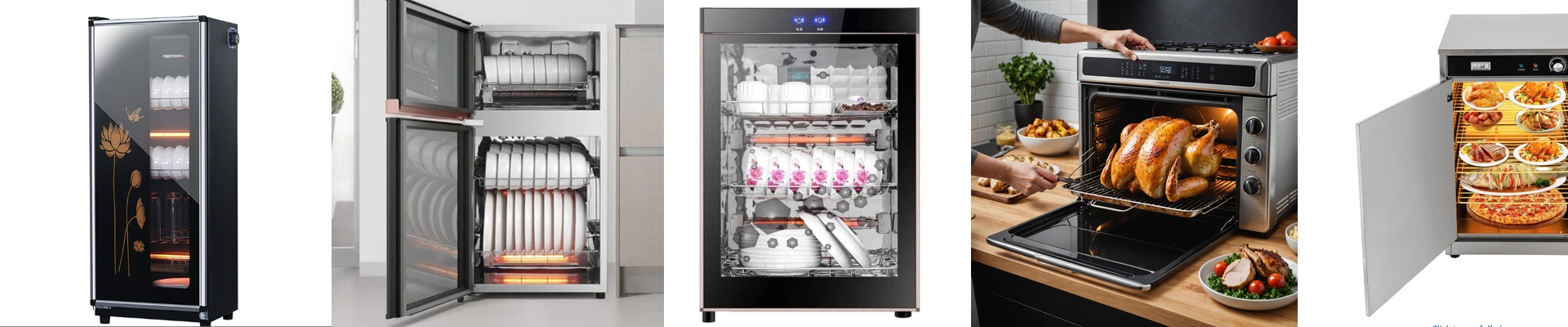
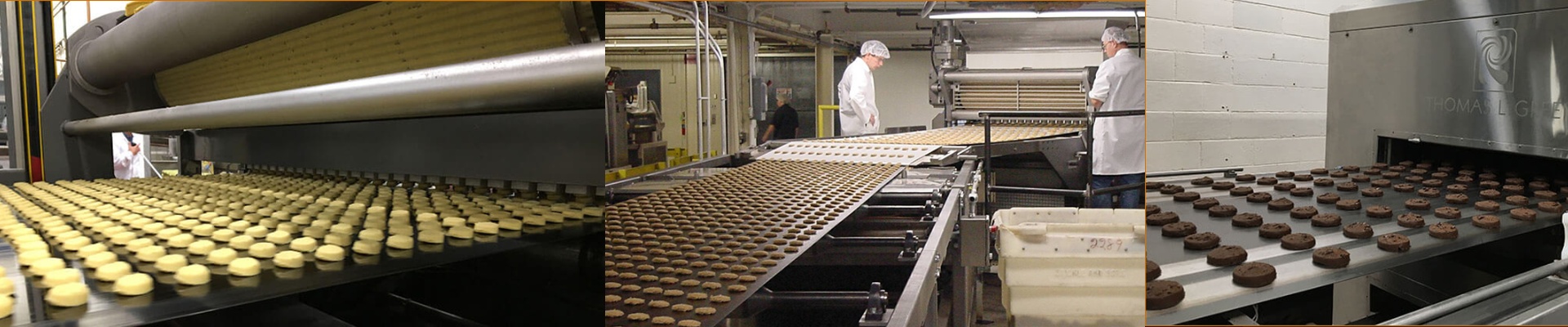
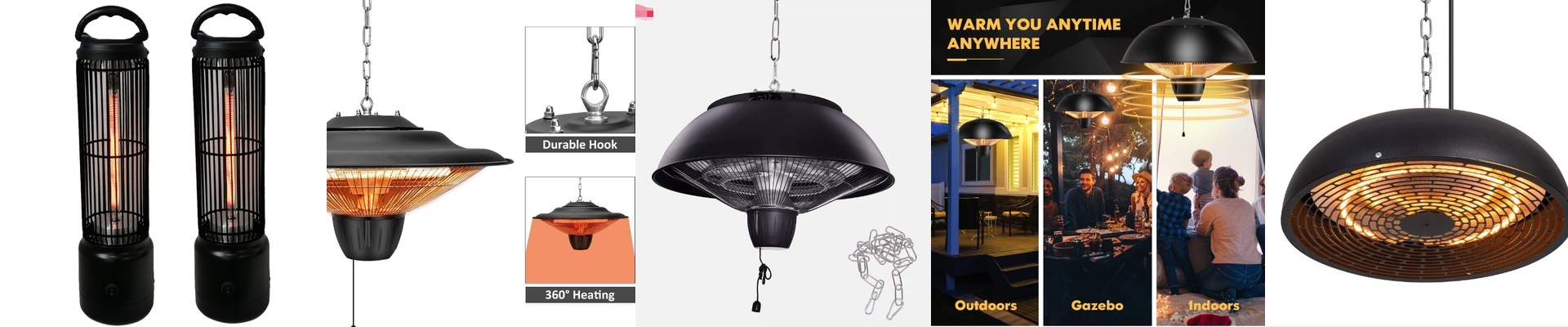
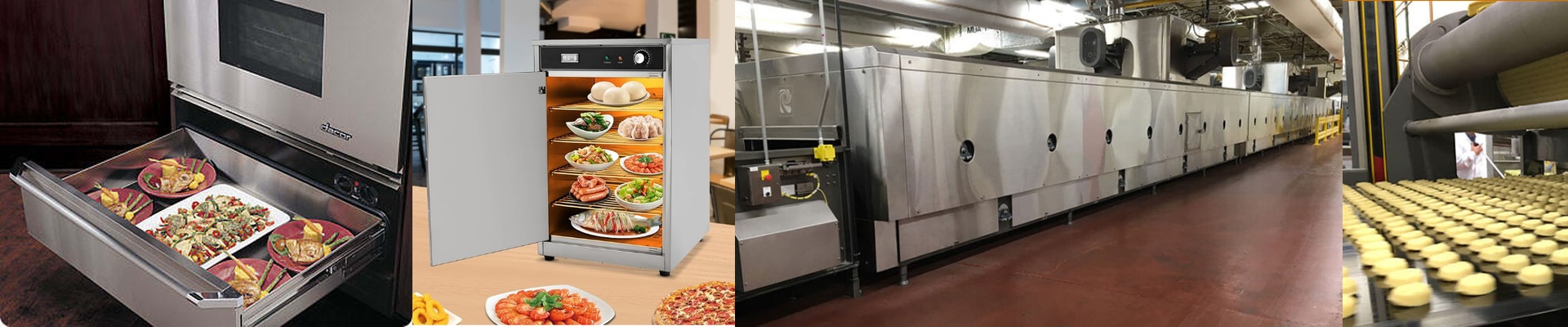
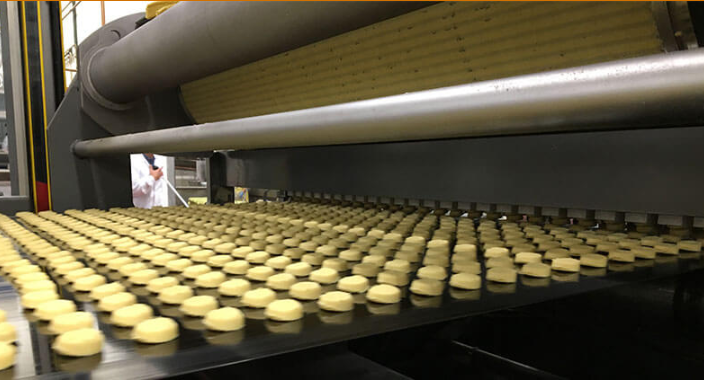
On a busy line, an oven that takes too long to hit setpoint doesn’t just burn minutes—it burns margins and consistency. When the heat lags, snacks come out uneven: pale on the edges, overdone in the middle. We built the carbon fiber IR emitter to shorten that cycle and even out the profile. Because in a commercial oven, time and temperature buy you the same thing—throughput you can count on.
What matters under the hood
Carbon fiber IR emitters snap to full output in seconds. That speed comes from a low thermal mass element that heats directly and radiates efficiently, with energy concentrated in the short-wave IR band. The payoff is control: the thermostat gets fast feedback and trims power in small steps, so the baking chamber holds steady instead of chasing big swings. Across the deck or belt, the radiation pattern spreads evenly, cutting hot and cold spots and giving you a repeatable bake, load after load.
Why it plays in production
In a deck oven, rotary oven, or a dedicated snack machine, this means faster heat-up, shorter bake cycles, and more consistent product. You get crisp crusts and clean caramelization without scorching, because the element adjusts quickly when the load changes. Idle and warm-up energy use drops, and the simple construction takes repeated on/off cycling without flinching. On high-volume lines, that translates to fewer under-bakes, fewer rejects, and a smoother flow from prep to packaging.
The details that make it work
Mounting and reflector alignment matter. The emitter performs best when it’s aimed to cover the target area uniformly, and when the oven’s controls can keep up—think PID or solid-state relays. Clearance to food and surfaces is tighter than with conventional elements, so stick to the specs and keep reflectors clean. And while carbon fiber emitters are tough, they’re not bulletproof: treat them like precision heating components, not rough-service heaters, and keep impacts off the element.