

On a job site, the temperature dives the second the sun drops. Hands stiffen, pace slows, and every pause makes it harder to start again. With forced-air units, the heat disappears the moment the fan shuts off. With our infrared construction site heaters, the warmth sticks around because it’s stored in the surroundings, not just floating in the air.
What matters, technically
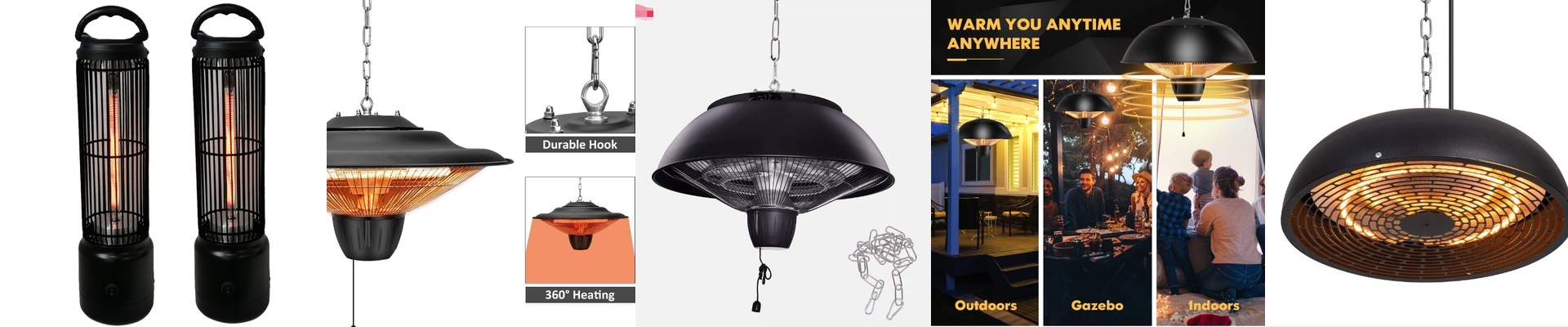
These construction site heaters run on medium-wave infrared, sending radiant heat in straight lines to warm people and objects directly. Forced-air heaters chase warmth around a tent or trailer; infrared energy gets absorbed by floors, tools, and materials, turning them into passive heat reservoirs. That’s why you feel the difference: when the unit cycles off, the surfaces keep radiating stored heat back into the space. We pair that with a durable quartz tube element and a straightforward thermostat, so the heat keeps coming steady and predictable.
Why it works on a job site
On a construction site, heat has to keep up with the work. Infrared warmth hits where it counts—hands and core—so crews can keep moving without waiting for the whole area to reheat. Fewer interruptions, steadier progress, and less dependence on fuel drops. The retained-heat effect also evens out temperature swings, so comfort holds between cycles. In practice, that means fewer complaints, better focus, and a day that ends closer to plan.
What you need to know
Infrared is directional, so placement matters. Mount the heater to cover work areas and entry points, and keep the beam path clear. Plan on a dedicated circuit that matches the unit’s voltage and amperage, and confirm the site’s power source can carry the load. Infrared is efficient at warming people and objects, but it won’t heat the entire air volume as quickly as forced air. In open-air or drafty spots, pair it with wind shielding or supplemental heating as needed.