

Winter nights have a way of turning the bedroom into a waiting game. The air goes still, the sheets feel damp, and the moment you settle in, the smallest click or hum from a heater starts echoing in the dark. You want warmth, sure, but you also want the kind of quiet that lets sleep settle in and stay.
What matters, technically
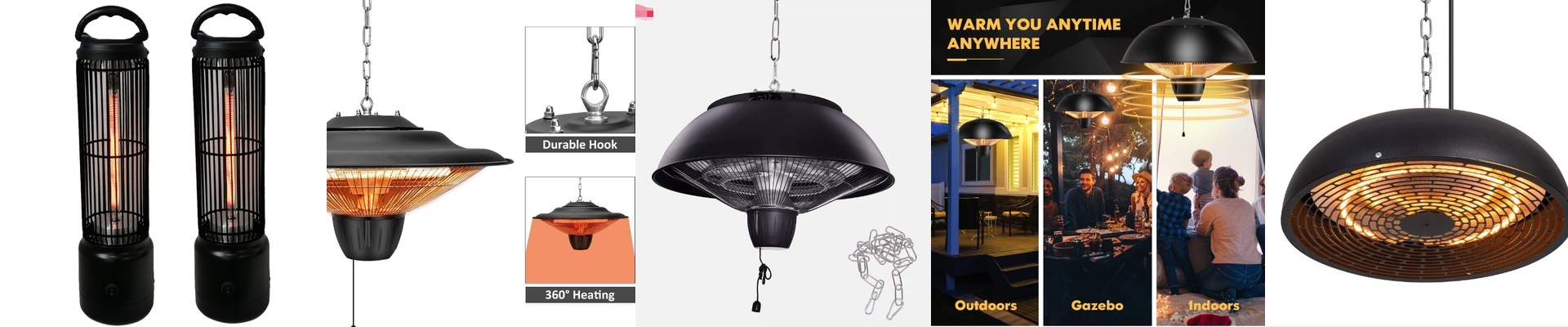
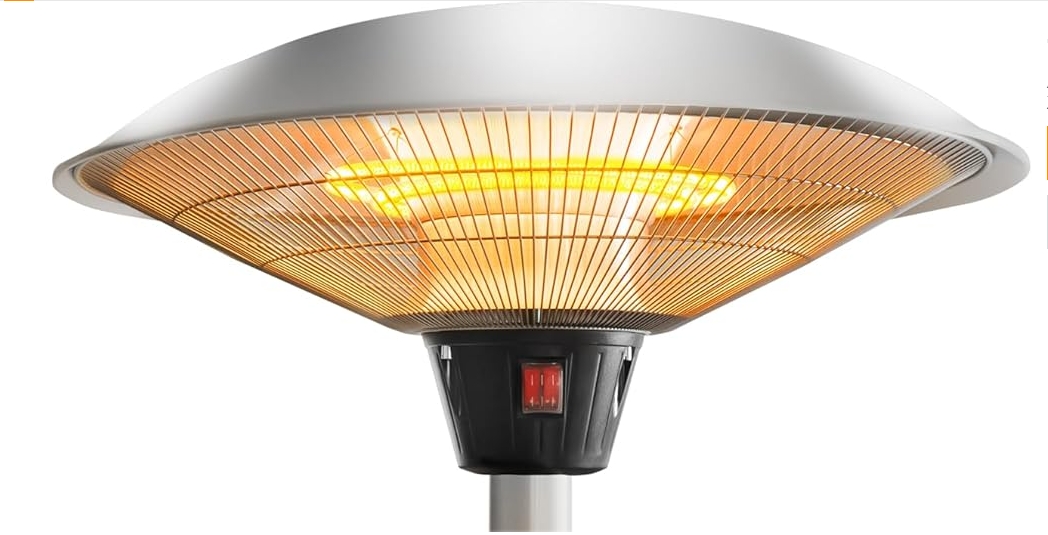
A 12V electric heater changes how you deliver infrared warmth where it counts: close to the body, without moving air. Instead of forcing hot air around, it radiates heat outward, warming people and nearby surfaces directly. The result is a gentle, even feel—no blasts, no drafts. We pair that with a low-voltage design that keeps operation smooth and low-noise. The 12V supply reduces electrical stress on common circuits and keeps internal components running with less vibration and less coil whine. In practice, that means steady warmth you can feel, without the background noise that pulls you out of deep sleep.
Why it works in the bedroom
In the bedroom, a heater is judged by how it affects sleep. Traditional convection heaters circulate dust, dry out the air, and the fan noise keeps light sleepers on edge. Infrared warmth stays focused on comfort, helping you feel cozy faster, so you spend less time tossing and turning. Because the heat is radiant, it doesn’t rely on circulating air to do its work. That matters when the room is quiet and the goal is rest. You get comforting warmth that feels natural, and the low-voltage operation keeps the unit calm and consistent through the night.
The details you need to get right
A 12V electric heater is built for a specific setup. It needs a dedicated 12V outlet or a compatible power source that can maintain stable voltage, so check your available circuit and plug type before installation. Also, infrared warmth performs best when the heater is positioned to reach you directly, rather than trying to heat an entire room from far away. Keep clearances as recommended, and avoid placing the unit where bedding or curtains can block airflow or contact the heater. Used thoughtfully, it’s a practical way to turn cold bedroom air into quiet comfort—night after night.