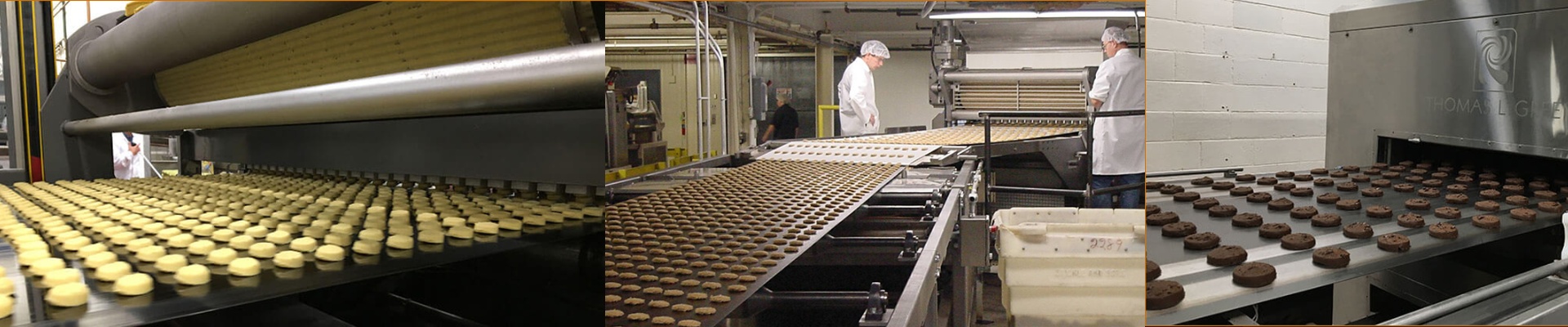
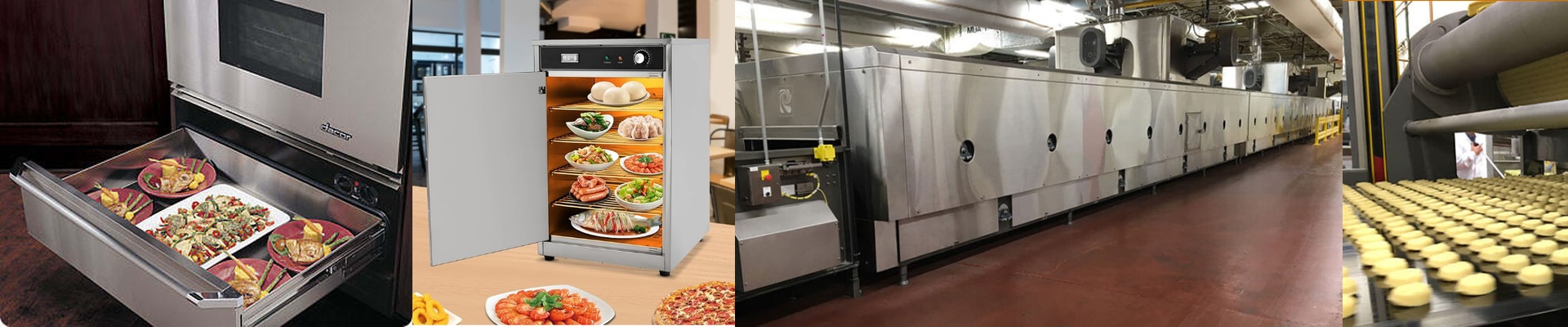
When the rush hits, your convection oven’s recovery time is what decides whether the next tray of croissants comes out clean—or ends up patchy. We built our high-power heating tubes for that exact moment: the baking chamber needs heat fast, without the temperature dipping and dragging you down. What matters, under the hood These tubes use a high-density resistive element inside a quartz-stable jacket—chosen because it keeps coming back, cycle after cycle, even when the ambient heat is punishing. They run at high watt density, so the air in the convection oven snaps back to setpoint after door openings and new loads. You can spec them by common voltages and lengths to match your chamber geometry, and the terminal layout is arranged so the wiring lands straight and secure. The payoff is predictable heat delivery—less waiting around, more baking. Why this matters on the line In a busy bakery or restaurant kitchen, time is heat. Fast recovery lets you run tighter batch windows and keep crust color and rise consistent from the first tray to the last. More stable air temperature also cuts down on edge over-coloring and dry spots—critical for delicate pastries, and just as important when you’re finishing pizzas in convection. And because the element comes up to temperature quickly, you spend less time idling, which can trim energy use per bake cycle. The practical details you can’t skip High power means you have to treat airflow and electrical management like real requirements, not afterthoughts. Keep the oven’s internal air path clean, and make sure the mounting positions give the tube free circulation all around. Also confirm your control thermostat and contactor are rated for the current draw—undersized parts will kill element life. And during install, treat the terminals carefully. A loose connection runs hot and fails early, every time.