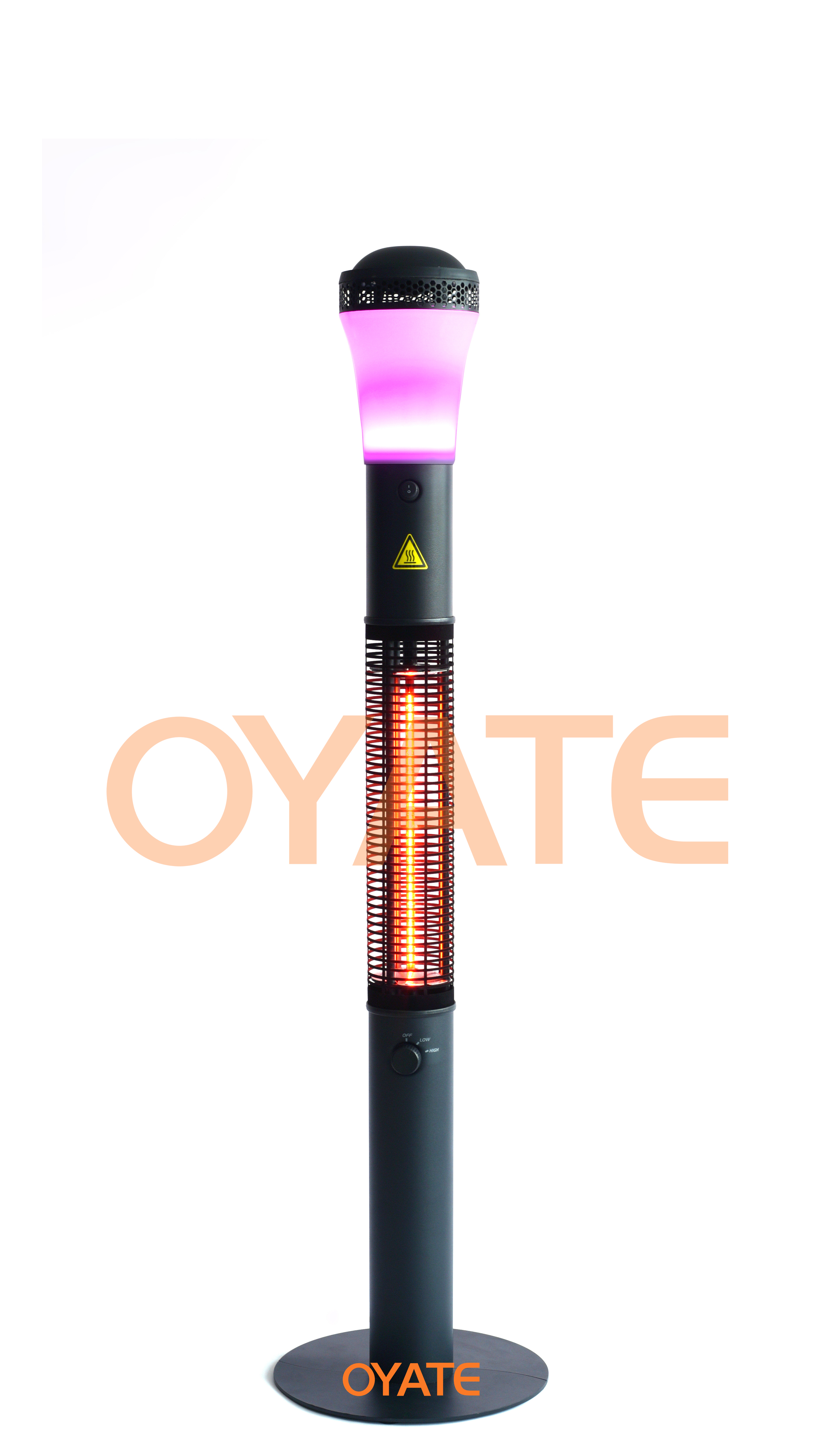
You know that moment when you step out of the shower and reach for the mirror, only to find it completely fogged over? So frustrating. That’s exactly why we built our best-selling infrared bathroom mirror heater. It’s not trying to do a million things. It has one job: keep your mirror crystal clear, and keep working year after year—long after the flimsy, cheaper ones give up. Here’s the secret: it delivers anti-fogging heat with a seriously tough build that can handle the reality of a busy bathroom. Let’s talk power—the simple kind. We designed this heater to warm up your mirror fast, without tripping your bathroom circuits. It runs on standard voltage, so for most homes, it’s a straightforward install. No need to rewire the whole room. And the heating area is sized to fit common mirror dimensions, giving you even warmth across the whole glass. Why does that matter? Because it covers the surface quickly, shrinking that window where condensation can even start to form. Built to fight fog, splashes, and time. At the heart of it is a shortwave infrared heating element tucked safely behind the mirror. It heats the glass directly, keeping the surface warm enough to beat the dew point—so fog doesn’t stand a chance. The front is anti-fog coated glass, which also shrugs off water spots and cleaning chemicals. The housing is sealed to an IP rating, so it can take high humidity and splashes without letting moisture corrode or short anything inside. Even the wiring entry and terminal block are laid out to keep water away from live connections. In a family bathroom that sees a lot of action, that kind of protection matters. What it feels like, day after day. When you flip the light on, the heat kicks in immediately. The mirror stays clear from the get-go. No waiting. No wiping. That sealed build means fewer call-outs for moisture damage, and the coating means you’re not constantly polishing the glass just to see your reflection. There are a couple of simple rules, of course: it needs to be mounted within the specified clearance to keep airflow and heat performance right, and it should be wired to a protective device matched to its load. Get those right, and you get a heater that just keeps going—quietly, reliably, with hardly any fuss.