

Keeping Things Safe: Infrared Heating in Damp Spaces
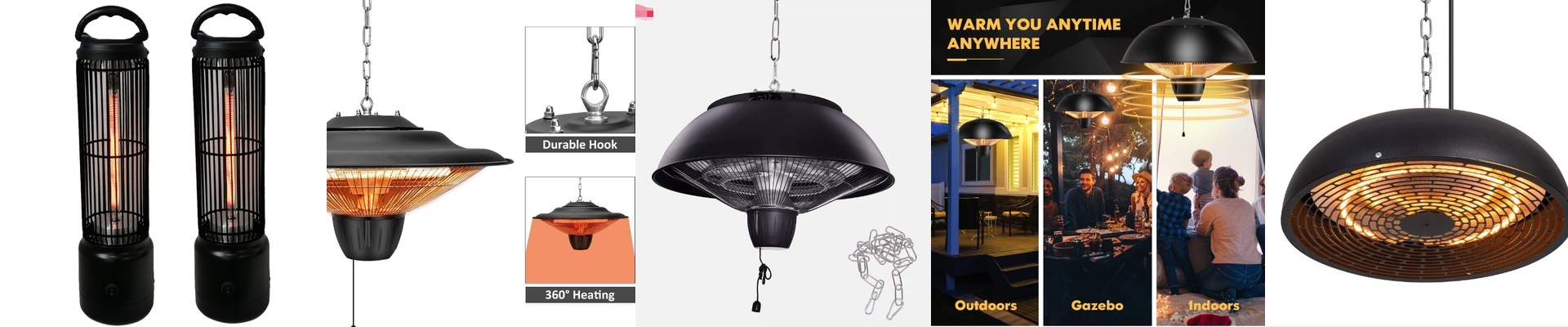
Let’s be honest: mixing electricity and water is a recipe for disaster. When you’re putting infrared heating lamps in a bathroom or any spot where the air is thick with steam, you can’t just wing it. A basic heater isn’t going to cut it here. You need an IP44-rated setup. Basically, that’s just a fancy way of saying the system is built to keep splashes and gunk out so you don’t end up with a short circuit.
Getting the Insulation Right
We don’t take chances with the wiring. To keep things safe, we make sure the live parts are completely separated from the outer frame. For our waterproof tables, we use double-insulated wiring and terminals that are sealed tight. Since it’s IP44 rated, it doesn’t matter which direction the water splashes from—the enclosure handles it. We use silicone gaskets and reinforced polymer seals wherever the wires meet the heating element. It stops moisture from sneaking in and causing a ground fault.
Dealing with Heat and Humidity
Infrared lamps get hot. Really hot. In a damp room, that creates a weird problem: you get condensation on the cooler parts of the fixture. If the housing isn’t built right, the heat makes the materials expand and contract until the seals crack. Once that happens, moisture hits the electrodes and your lamp is toast. That’s why we use materials that can handle that “breathing” without breaking. And please, make sure your grounding is spot on. We build a dedicated earth bond right into the metal frame. That way, if something does go wrong with the insulation, the breaker trips immediately. You want the power to cut out, not the table surface to become live.
The Trade-offs
Here is the catch. Using an IP44 enclosure makes the footprint a bit bulkier. You also lose a tiny bit of that direct heat because the guards and seals act as a physical barrier between the lamp and whatever it’s heating. It’s a small price to pay for safety, but you’ll probably need to tweak your timers and power settings to make up for that slight dip in heat. Oh, and do yourself a favor: wire it all into a GFCI. It’s just one more layer of protection for peace of mind.