
Why we put our bathroom heaters through “the torture chamber”
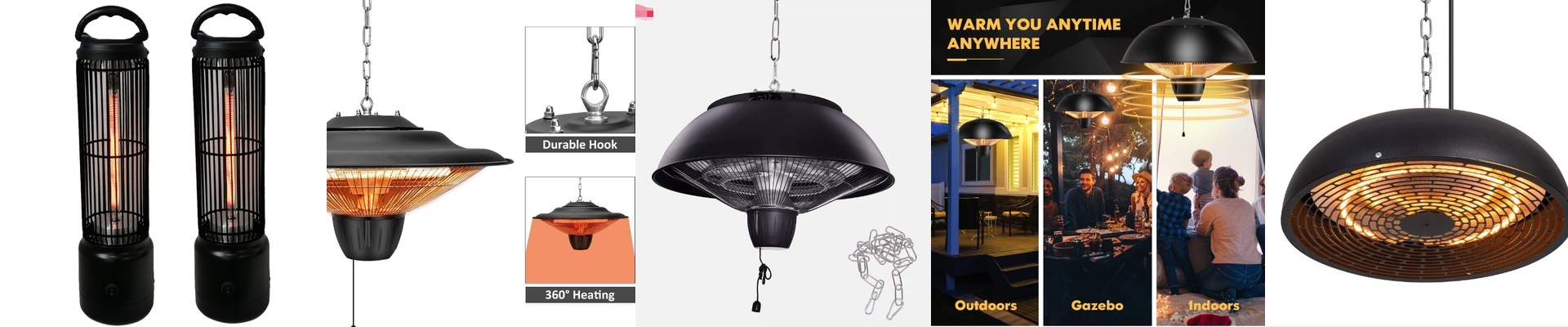
Bathrooms are basically a nightmare for electronics. You’ve got thick steam, random splashes of water, and temperatures that swing from freezing to boiling in minutes. Now, we have an IP65 rating, which sounds great on a spec sheet. But in the real world? A waterproof seal on day one isn’t the same as a seal after six months of steaming showers. That’s why we put every single batch through damp-heat aging tests. We basically try to break them so they don’t break in your home. The problem with moisture Here’s the thing about seals: they wear out. When a heater goes from ice-cold to scorching hot over and over, the materials expand and shrink. Eventually, tiny, microscopic gaps open up in the gaskets. That’s when the steam creeps in. It settles on the high-voltage terminals of the lamp, and if it hits the wrong spot, you get a short circuit. Not ideal. To stop this, we lock our heaters in humidity chambers that are dripping wet and hot. It speeds up time. We’re looking for any sign of a leak or a bit of rust on the contacts. If a unit fails, it doesn’t ship. We send the design back to the drawing board and start over. Fighting heat and rust Infrared lamps get incredibly hot. When that intense heat hits a damp outer shell, it creates a massive temperature clash. Cheap plastic would crack under that kind of stress, and thin metal would just warp. We spend a lot of time making sure the wiring and sockets can handle that constant tug-of-war. Then there’s the rust. Damp heat eats through cheap plating for breakfast. To fix that, we use specific alloys and coatings on the terminals. It keeps the electricity flowing smoothly without the connections burning out. The balancing act You’d think the answer is just to seal the whole thing in a plastic bubble. But there’s a catch. If we seal it too tight, the heat can’t escape, and the internal electronics will cook themselves. It’s a bit of a balancing act. We have to find that sweet spot—keeping the steam out while letting the unit breathe just enough to stay cool.