Keeping Your Bathroom Heater from Becoming a Hazard
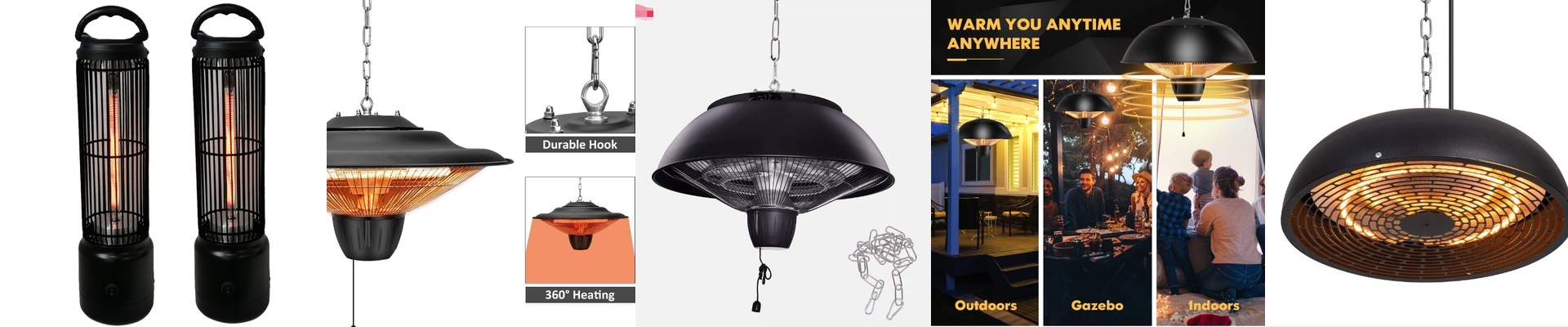
Let’s be honest: putting infrared lamps in a bathroom is basically like inviting a fight with moisture. You’ve got steam everywhere, and since water and electricity are a nightmare pairing, one tiny gap in your insulation can lead to a short circuit or a ground fault. To keep things safe, we focus on two big things: sealing the ends of the lamp and making sure the housing can actually handle the stress.
Dealing with the Barrier
Standard wiring just doesn’t cut it when things get damp. We stick with high-temperature silicone or PTFE-coated wires. Why? Because heat cycles make cheap insulation crack. Once a crack opens up, moisture crawls in and your wires burn out. It’s that simple. You’ll want a housing with at least an IPX4 rating, but if you’re dealing with heavy steam, go for IPX5. For the gaskets, we use EPDM rubber. It’s tough. It doesn’t get gummy or break down when it’s hit with a mix of heat and soap scum.
The Danger Zone: Terminals and Connectors
The real weak spot is where the power lead meets the lamp. This is where most people mess up. If you use open-ended terminals, a weird thing called capillary action happens—it basically sucks moisture right into the connection. Then you get corrosion, sparking, and a very bad day. We use hermetically sealed connectors to lock the condensation out. And a pro tip: use ceramic insulators. They can handle the way a quartz tube expands when it gets hot without leaving gaps for water to sneak through.
The Balancing Act: Heat vs. Sealing
Here’s the catch. You can’t just seal everything airtight and call it a day. If you wrap the unit too tightly without a way for the heat to escape—like a thermal vent or a heat sink—you’re basically baking your own components. It’s a trade-off. If the inside gets too hot, your wire insulation will melt, and it won’t matter how “waterproof” the outside is. The trick is finding a chassis that lets the heat breathe while keeping the water out. It’s all about that balance.