
Introduction
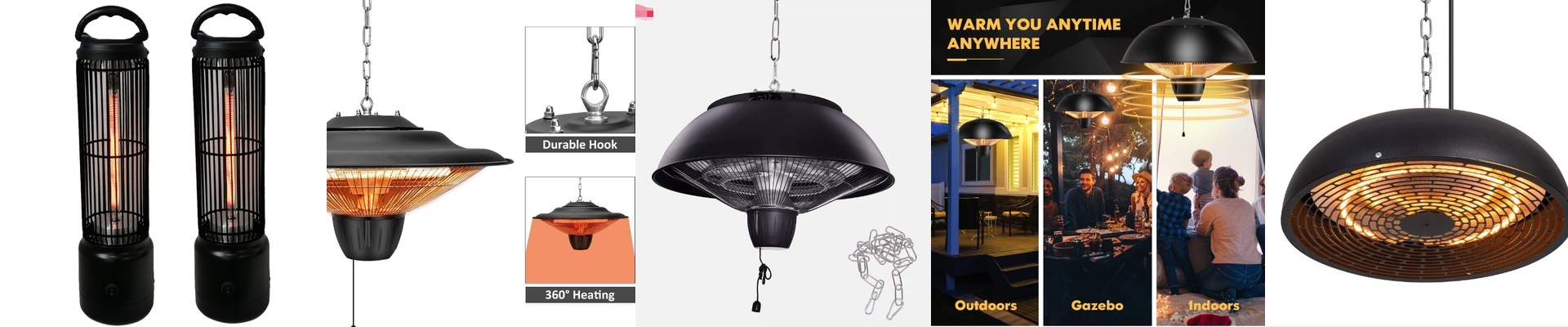
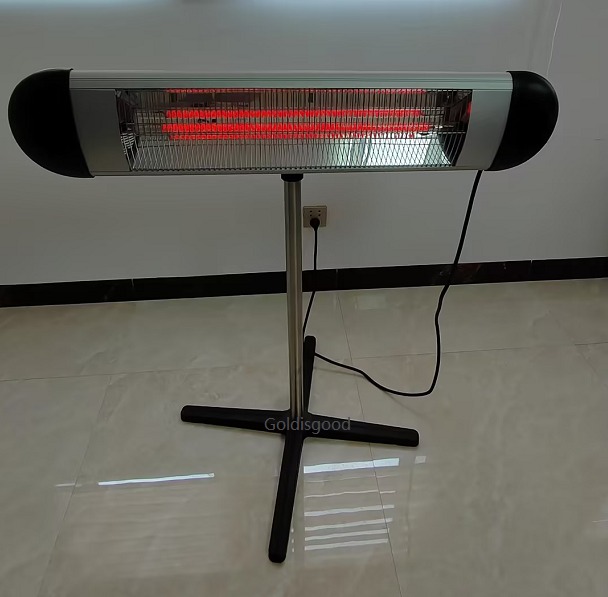
We built this mirror infrared heater for one place: the bathroom. Plain and simple. The goal? Give you warmth the instant you need it, aimed right where you want it—and keep the whole thing from giving up on you when the air turns into steam. So we made two things non-negotiable: the mirror stays clear, and the inside stays dry.
The Real-World Problem (And How We Fixed It)
Bathrooms are brutal on electronics. Heat on. Heat off. Steam everywhere. Cold surfaces. And that constant spray that sneaks into the smallest gaps. So this heater had to do two things under pressure:
- Kick in fast.
- survive repeated thermal shock without whining. We built the infrared system to pack a lot of warmth into a small space. That means it warms up quickly—no long wait, no lag. And the electrical side? It’s set up to handle the big jolt that quartz heating elements draw when they start. So even if you’re turning it on and off a lot, it stays steady. Because here’s the truth: in a bathroom, moisture isn’t a “concern.” It’s the main event. Steam condenses. Water splashes. And if either gets inside, the unit doesn’t just underperform—it dies. So protection isn’t an add-on. It’s part of how the thing is built.
What It’s Made Of (And Why It Matters)
The heating element uses a halogen-filled quartz tube. That lets it run hot without cracking under the stress of heating up and cooling down. Then we added a special anti-fog coating on the surface. It doesn’t let condensation turn into a film, so your mirror stays usable and the heat isn’t blocked. The front is sealed to keep water out—built for splash zones, the kind you get in a shower. That seal is what keeps the lamp socket, connectors, and wiring dry. And the installation? Clean and simple. The connector interface is designed so you can get it in place without tools, and it stays secure even when things vibrate or expand with heat.
What This Means When You’re Standing in the Bathroom
Because it stays clear, you can mount it closer to the mirror. No more fogged-out blind spot when you’re trying to shave, check your hair, or just wake up. And because the sealing keeps moisture away from the contacts, there’s less corrosion—which is exactly what tends to kill bathroom heaters over time. Now, there’s a trade-off you should know about. The sealed build and the protective coating add a bit of thermal mass, so it’s not quite as lightning-fast as an open-element heater. So we compensated by tuning the wattage and the beam pattern to put the heat where you actually feel it. Bottom line: you get a unit that installs clean, wires up fast, and takes the daily steam-and-splash routine without losing its punch.