

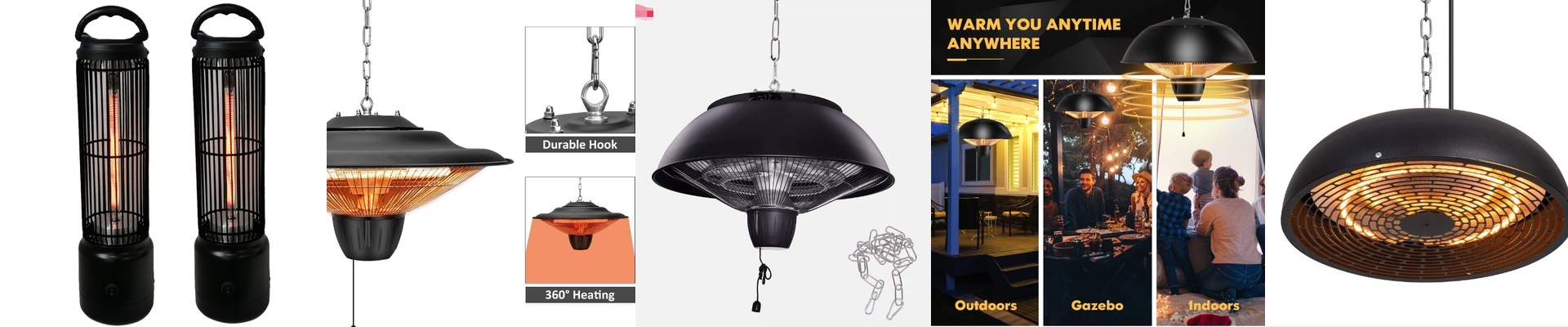

How to Keep Your Infrared Heaters Safe in Wet Zones
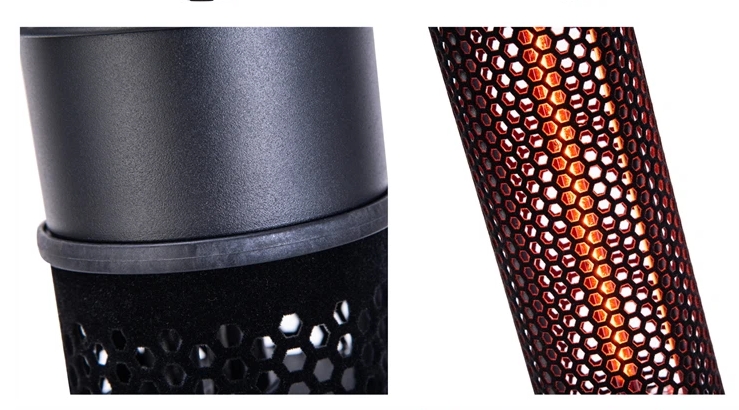
Let’s be honest: putting an infrared heater in a bathroom or on a damp patio is a bit like playing with fire—literally. When steam and water vapor settle on live electrical parts, they create a bridge for electricity to travel where it shouldn’t. That’s how you get a nasty shock or a dead heater. You need a setup that stops that bridge from ever forming. It all comes down to the seals. Most of these systems fail at the termination points—the spot where the lamp meets the power source. If moisture sneaks in there, you’re in trouble. We handle this by using high-grade silicone gaskets and adhesive-lined heat-shrink tubing. It sounds simple, but it’s the only way to keep water from creeping into the terminals. If you just use standard connectors, the humidity will eat away at the contacts. Eventually, you’ll see arcing, or the whole thing will just burn out. Choosing the right gear You can’t just use any glass here. We use quartz glass with special coatings. Why? Because bathrooms have wild temperature swings. If the glass isn’t up to it, it can develop a tiny hairline crack. Once that happens, steam hits the internal filament, and it’s game over. For the wiring, we stick with fluoropolymer-insulated cables. They’re tough. They don’t get brittle or degrade, even when they’re constantly blasted with heat and moisture. The balancing act: Heat vs. Safety Everyone loves a heater that warms up instantly. To get that, you need high wattage. But here’s the catch: more power means more heat stress on your insulation. If you seal the housing too tight to keep the water out, you accidentally create an oven. The heat builds up inside the chassis and can actually melt your wire insulation. A pro tip? Use adrip-loopin your wiring. It’s a simple bend in the cable that forces water to drip off the wire instead of running straight into the lamp socket. And please, don’t skip the grounding. Every single chassis needs to be bonded to a certified earth ground. That way, if a seal ever does fail, the breaker trips instantly. It’s the difference between a flickered light and a dangerous situation.