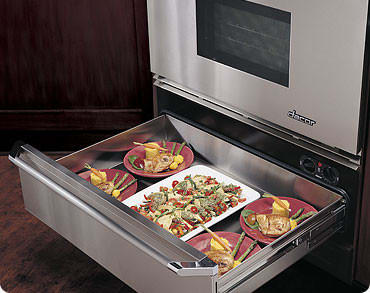
Precision Heat for Bread: Why Infrared Halogen Heaters Hit the Mark—Every Time
We build infrared heaters for bread ovens for one simple reason: you need heat you can trust, down to the second. In tricky baking and warming work, you don’t just need “a temperature.” You need to hit setpoints in stages, and you need the heat to snap on and off fast enough to keep up with the recipe.
Power, Voltage, Size—What Actually Matters
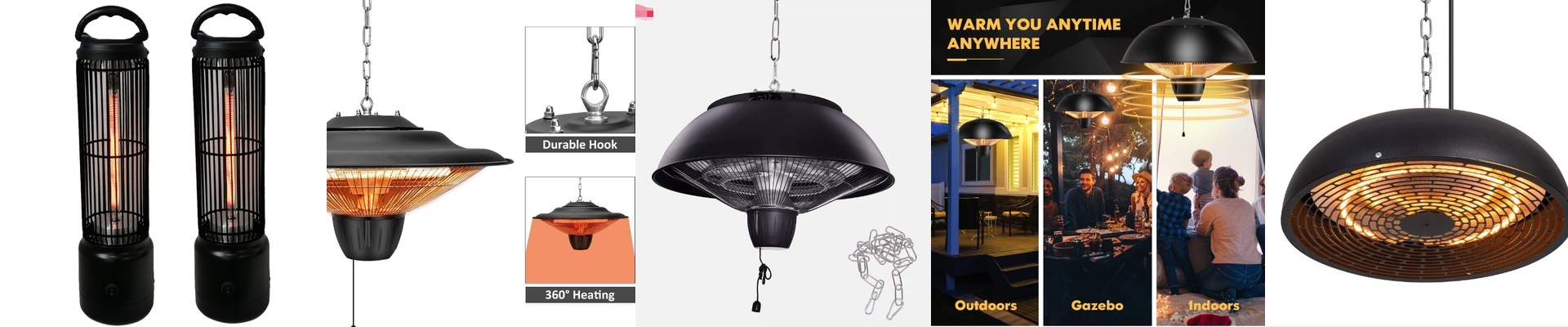
Here’s the thing about infrared halogen heaters: they warm by radiation, not by heating the air. That’s a big deal when you want the surface of the bread to jump to temperature quickly, then hold steady. In a warming zone, we size the heater to pack high heat density into a small footprint. Wattage tells you how much radiant energy the tube puts out over time. Voltage is about making sure it plays nicely with your oven’s electrical setup. Match it right, and the heater runs solid. Get it wrong, and you’re inviting weak performance or a shortened lifespan. And the tube length? That shapes the heated area and the “view” from the emitter to the product. If your oven channel is tight, you spec a shorter tube to keep the heat focused where it matters—not wasted on the walls.
The Build: Halogen, Quartz, and a Connector That Just Works
Halogen technology keeps the filament running hotter and cleaner inside a quartz envelope. The payoff is output that stays stable, with consistent color temperature over the life of the tube. That consistency is what helps you get repeatable surface heating, batch after batch. Quartz also handles rapid thermal shock well. In this line of work, on/off cycling is part of the daily routine. We use R7s connectors because they’re a proven industrial fit for linear halogen tubes. They hold contact securely and make wiring manageable in cramped oven spaces. And since they drop right into many standard holders, swapping heaters doesn’t have to turn into a production slowdown. One honest note: high heat density and fast response mean nearby components feel the heat. So your oven shielding, reflectors, and cooling plan have to be up to the task.
The Payoff: Step Control with Seconds-Fast Response
Step control only works if the heater answers in seconds. When the controller calls for heat, the infrared halogen tube hits target output fast. When it calls for hold, the temperature settles without overshoot. For bread warming, that means you can run staged profiles the way you want them: a quick warm-up, a short crisp on the surface, then a hold that doesn’t dry things out. The result is repeatable quality and fewer ruined batches. You get control that fits the process—not the other way around.