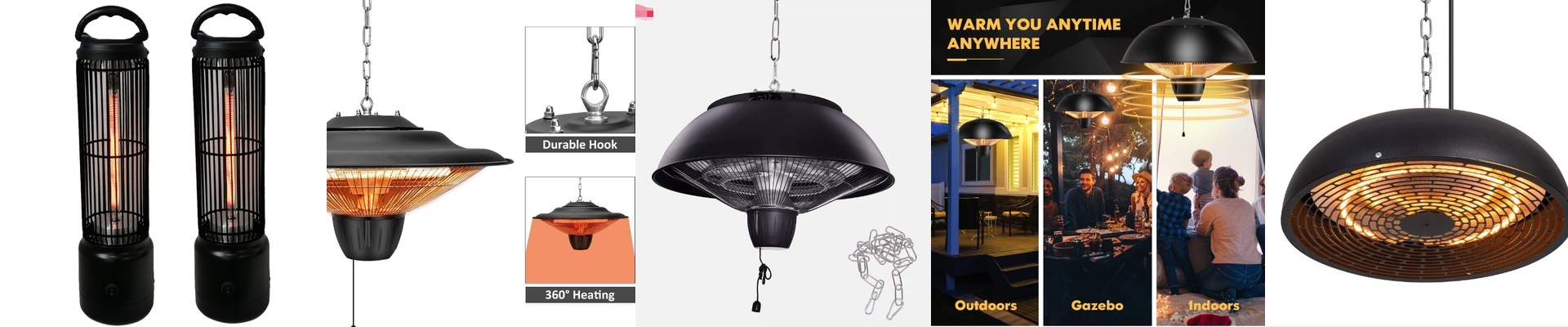
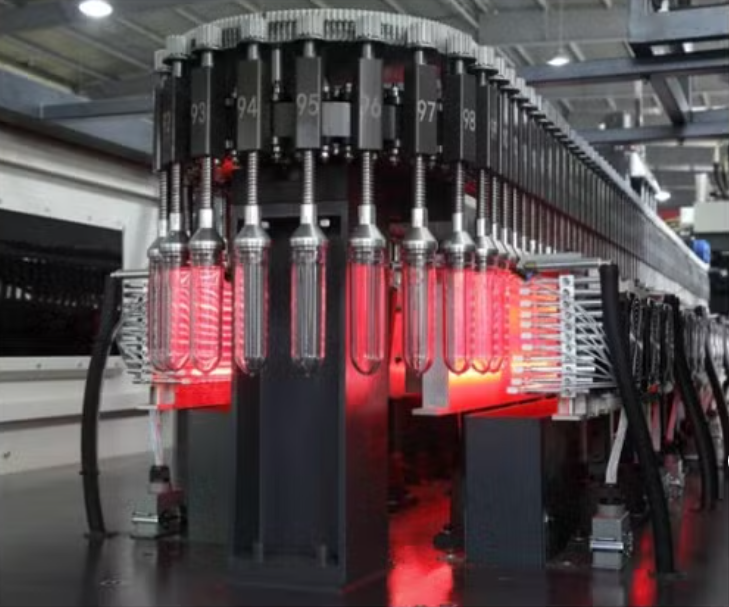
On the floor, unplanned downtime on your Sidel SBO doesn’t just cost you bottles. It knocks your schedule sideways, burns labor hours, and undoes the heat profile you fought to nail down. When the preform heating tunnel starts underperforming, you see inconsistent stretch, thick necks, thin walls—and the scrap pile grows fast. The headache isn’t just the lamp failing. It’s the uncertainty of replacement parts that don’t behave like the OEM—especially when it comes to thermal response. Here’s what matters, technically. We build the Alibaba Sidel SBO heater lamp as a direct-fit infrared emitter, engineered to match the OEM’s thermal targets. The quartz envelope and halogen filament are tuned for short-wave output, so preforms take on heat quickly and predictably. Specs are matched to the SBO heating tunnel: correct wattage, voltage, base, and R7s connector, with overall length and mounting geometry that sits flush in the reflector. This isn’t a generic lamp. It’s dimensioned and wired to keep the heating zone exactly where the machine expects it. Why this matters on a blow molder. In stretch blow molding, timing is everything. With this lamp, you regain tight control over preform heating, so the blow stage starts within a repeatable temperature window. You get fewer thickness excursions, less flash, and scrap that drops in a way you can measure. Because the lamp hits the right peak and holds stable output, you can run faster without chasing hot and cold spots. Energy use falls, too—the tunnel spends less time compensating for weak emitters. And lamp life stretches out, which means fewer changeouts and less spare inventory. A few practical notes before you swap it in. Installation is straightforward, but the heating tunnel needs to be clean and aligned. Reflector condition and thermocouple placement drive repeatability as much as the lamp itself. Check voltage at the terminal, and don’t mix lamp technologies in the same zone. Mixing short-wave and medium-wave emitters creates uneven heating and will wipe out the gains you’re after. Expect a warm-up period to re-tune the recipe, then run a short qualification to lock in the new heat profile.