
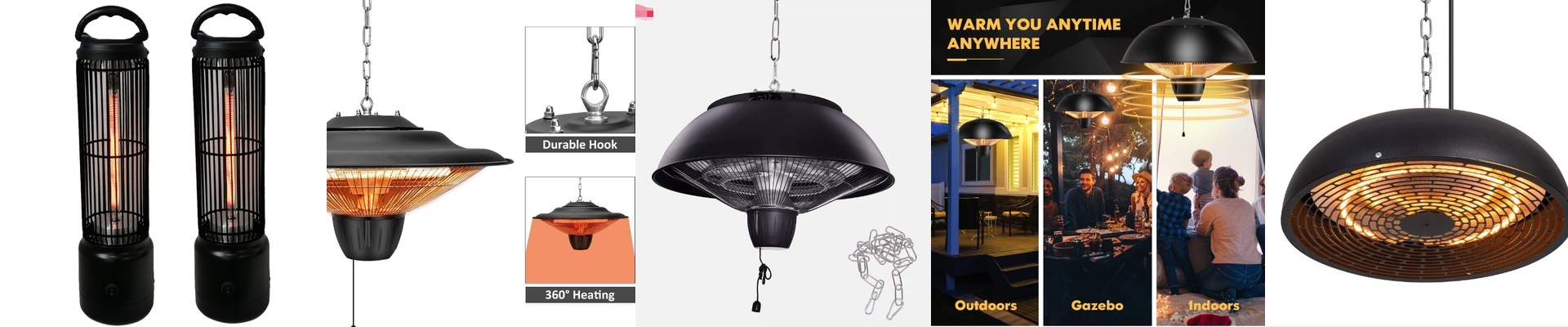


Let’s talk power: what makes this heater tick
We built this room heater for older spaces as a 2500W halogen shortwave unit, and it runs on 400V. The result? Heat that comes on fast—real fast—because it’s designed to deliver radiant warmth the moment you switch it on. No waiting around. The tube is just 300mm long, so it packs a lot of punch into a small footprint. That makes it easy to fit into tight spots and compact enclosures. And because it runs at 400V, the current draw is lower than you’d get with lower voltage options, so the wiring stays simpler and more manageable. But with that kind of power density, we had to think about airflow and clearance inside the housing. We designed the surrounding structure to manage heat carefully, so the components stay calm and steady, even when the unit is working hard.
Inside the design: the materials that matter
At the heart of it is a quartz envelope holding a halogen element. That’s what keeps the output stable and helps prevent hot spots that can kill ordinary wire elements. Instead of heating the air, this heater targets objects directly with shortwave radiation. The upshot? Less draft, and warmth that stays consistent right down at floor level. Then there’s the R7s connector. It’s a simple, two-end linear contact that locks in quickly, handles the current, and makes replacement a breeze. If you’re swapping out an existing fixture, it’s basically a drop-in. We also chose an internal coating that keeps reflectivity strong and shields the filament. That helps the heater hold up through repeated heating and cooling cycles, so it can take the daily on/off routine without wearing out.
Where it shines: quiet, dependable warmth
In rooms for older folks, this heater brings focused warmth without a lot of noise or air movement. That means comfort—without the drafts that can make things feel chilly and restless. The compact tube makes it easy to integrate into cabinets and dedicated heater housings, so you don’t have to fight with space. Now, 400V and 2500W means serious heat, so you’ll want a control circuit and thermal protection that are properly rated. For engineers, this setup strikes a practical balance: rapid radiant heat, straightforward wiring through the R7s connection, and a tough quartz build that’s made to handle the everyday cycle of turning on and off.