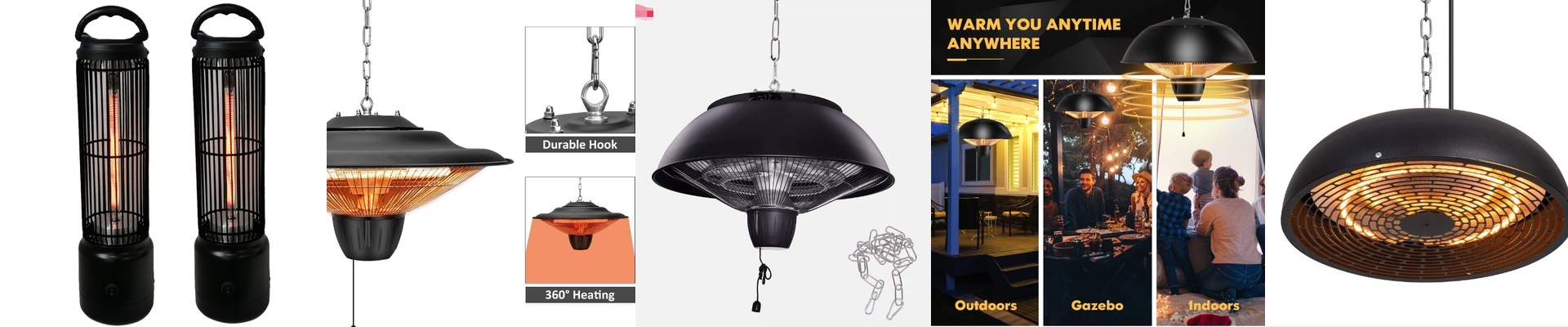
When the rush hits, a steam oven that can’t keep up wastes minutes and kills texture. The crust sets late, the crumb balloons and collapses, and ticket times slide. We built our fast-response heating element for steam ovens to cut that lag at the source, so steam hits on demand and heat follows—right now. What matters under the hood We run quartz-tube elements that hit target steam temperature in seconds, not minutes. Low thermal mass and stable resistance do the work. The coil geometry keeps watt density even across the tube, so hot spots disappear and heat spreads predictably through the baking chamber. A tight thermostat interface keeps cycling to a minimum, so setpoints stay steady with less swing. Specs are straightforward: 120–240 V options, a compact mounting footprint, and standard terminal blocks for quick wiring. In practice, that means shorter preheat, tighter control during proofing and bake, and repeatable results shift after shift. Why this plays in a real kitchen Speed without control is just heat. With rapid response, you get immediate steam for oven spring, then precise heat to finish the crust. You see better lift, cleaner caramelization, and fewer throwaways when you’re plating fast. Energy use drops because the oven spends less time chasing the setpoint, and service calls drop because the element takes repeated on/off cycles without fatiguing. On deck ovens and convection steam ovens alike, the workflow stays steady even when the menu changes mid-service. Here’s what to watch for Installation is quick, but the wiring has to match the unit’s amperage and the terminal block rating. Match the element to the oven’s steam system design—some models need a specific wattage and length to keep steam distribution balanced. Expect slightly higher inrush current on cold starts, so size the power supply and contactor accordingly. Handle the quartz tube like it is: brittle. One tap against a rack and it’s done. Keep it clean and dry, and you’ll get predictable heat, shift after shift.