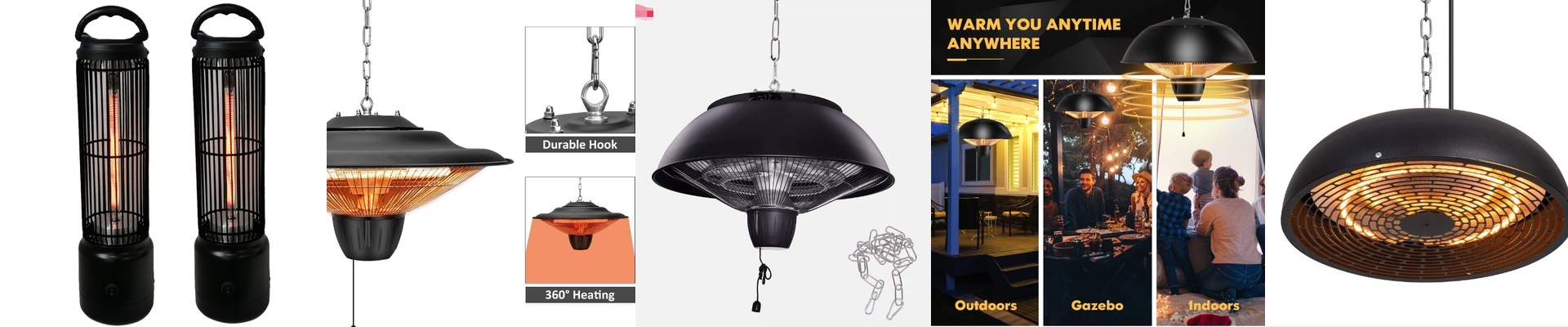
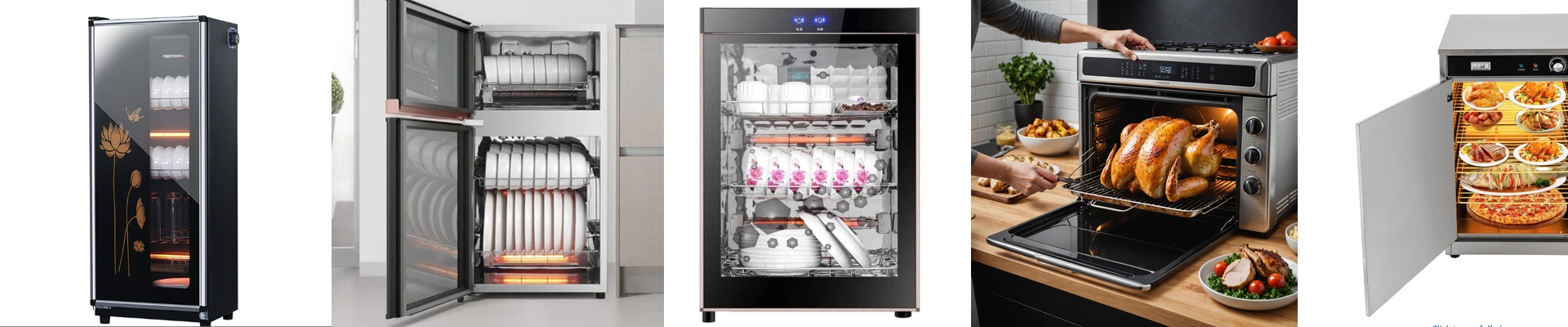
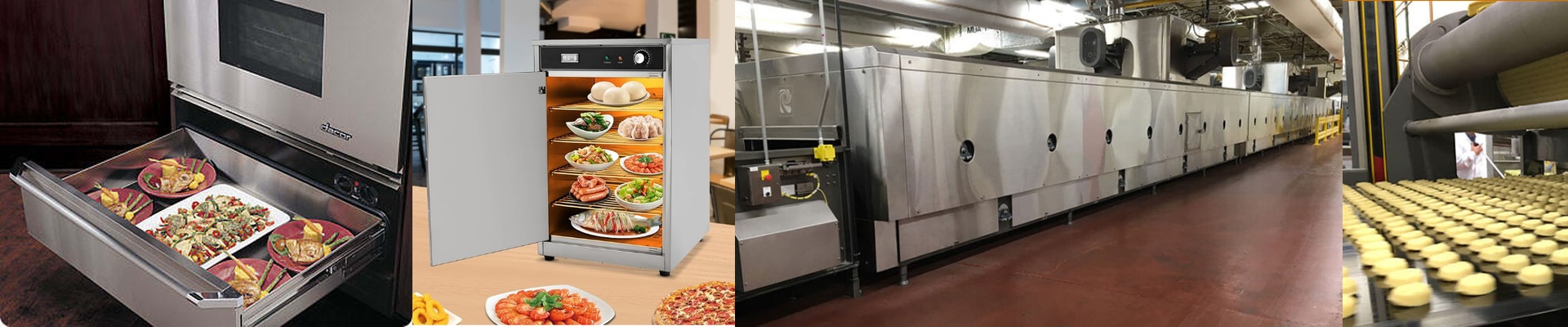
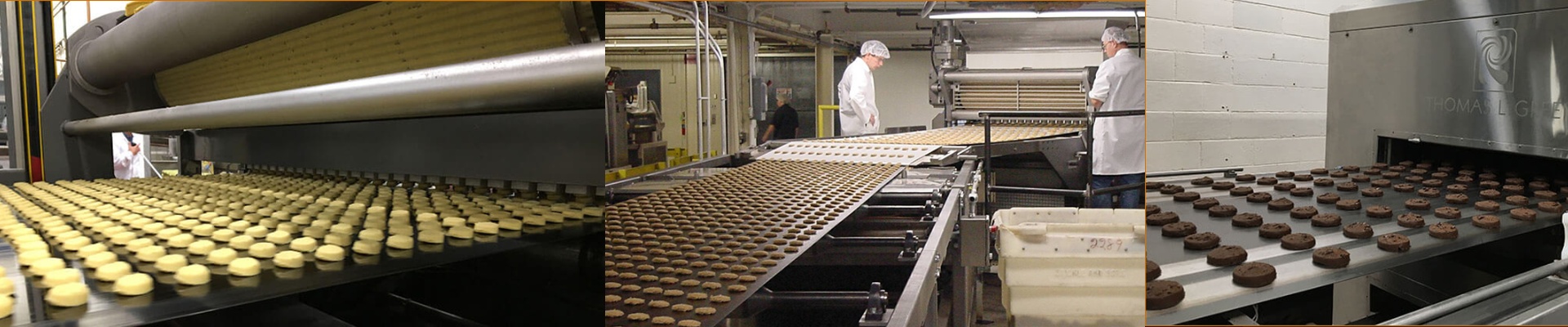
When the rush hits, a steam oven that drags on heat-up or floats around the setpoint can stall the whole line. Crust goes pale, caramelization never shows up, and tickets back up. We built the temperature-control heating tube for steam ovens to stop that drift right where it starts. What matters under the hood This tube pairs a quartz envelope with a short-wave infrared filament. The payoff is near-instant response—full output in seconds, not minutes. Heat spreads evenly across the baking chamber, so you get consistent crust color and rise without hot spots. Integrated thermocouples feed the controller clean, repeatable data, so the setpoint holds tight through service. In practice, that means tighter tolerances, fewer under- or over-bakes, and less guesswork at the pass. Here’s why it plays well in steam. Timing is everything. You need rapid recovery after the door opens and predictable heat bake after bake. Infrared delivers that speed while keeping the air calm, so steam does its job without turbulence. The result is faster cycles, better repeatability, and lower energy per bake because the element spends less time idling. The same tube brings real control to deck ovens, rotary ovens, and convection units running steam-assisted programs. Shift after shift, you can hit spec on crust, crumb, and color. A few things to keep in mind. Match the wattage and voltage to your oven’s load, and confirm clearances to nearby components—infrared runs hot at the surface. Expect higher peak surface temperatures than conventional elements, so shielding and mounting matter. Check controller compatibility and wiring before changeover, and plan the swap during scheduled downtime so you don’t interrupt service.