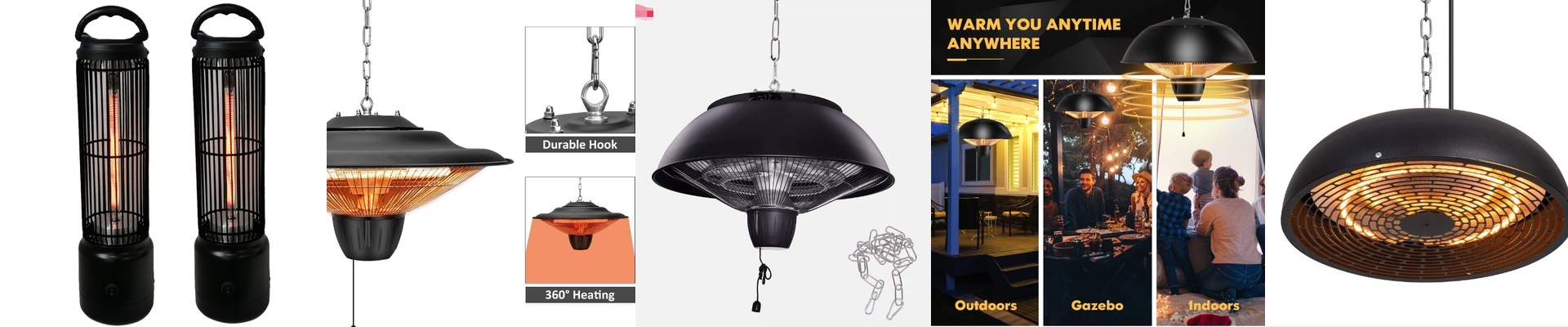
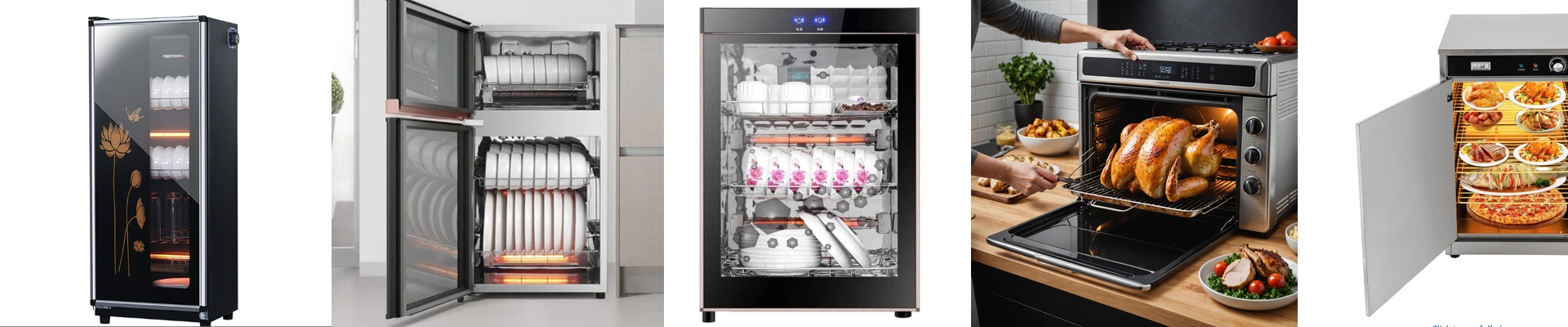
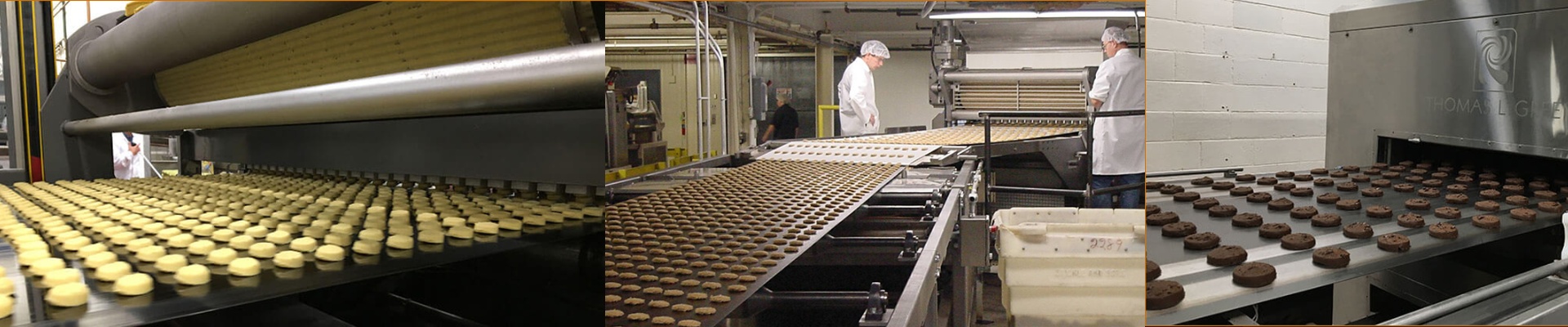
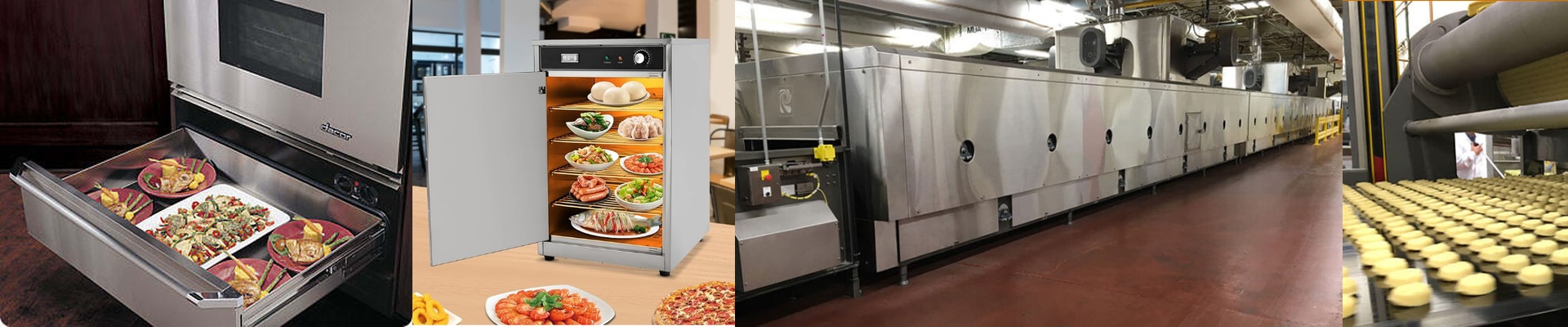
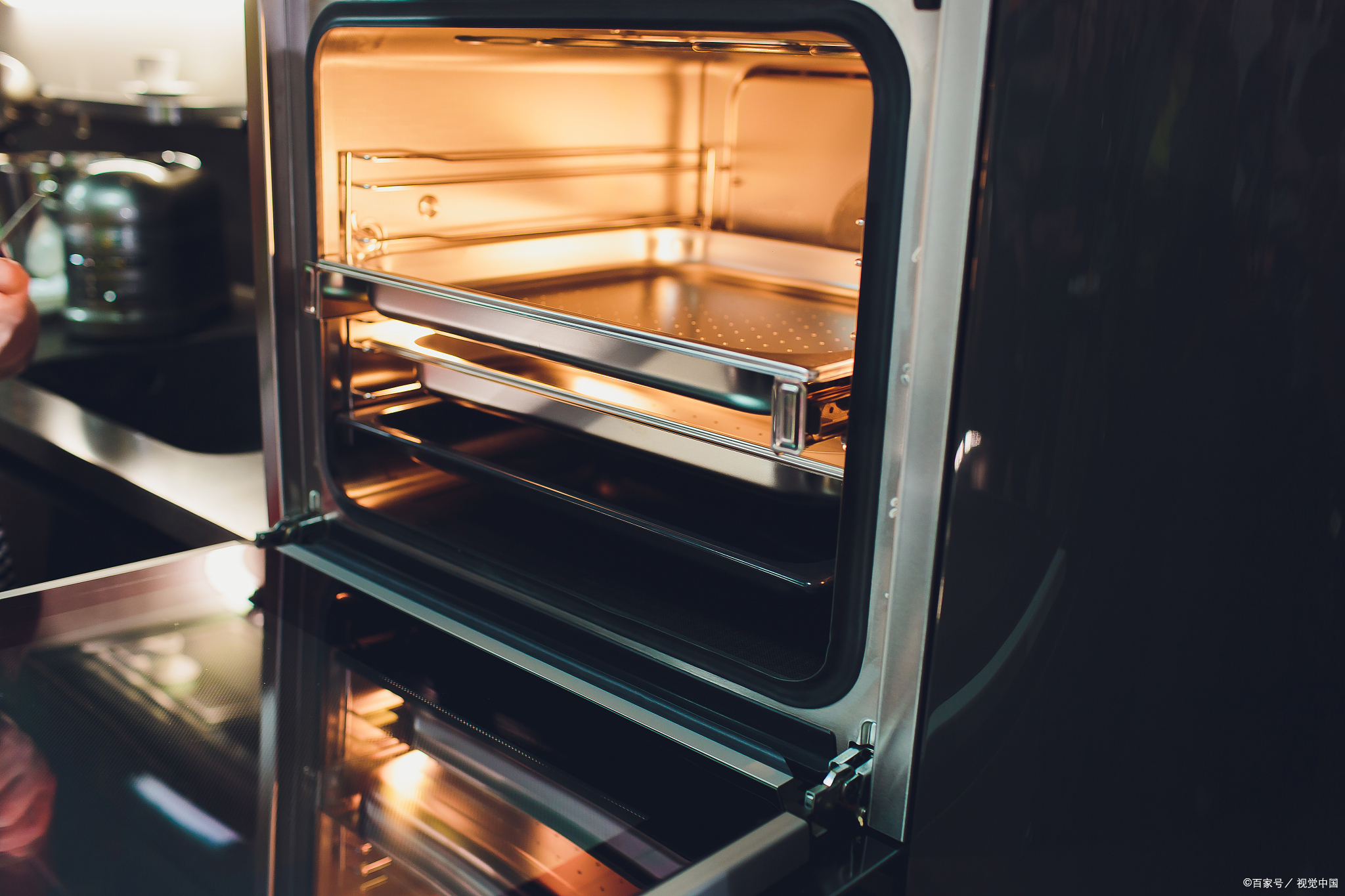
When service hits and tickets keep piling up, your oven can’t be the holdup. A long heat-up, uneven browning, and a jump in gas or electric bills aren’t just annoying—they eat into margins and put consistency on shaky ground. A convection oven built with a stainless steel housing and quartz tube heating elements is designed to keep production moving without sacrificing food quality.
What matters under the hood
Quartz tube heating elements snap to temperature fast, then hold steady with tight control. Pair that with a real convection setup, and heated air circulates through the baking chamber, smoothing out hot and cold zones and shortening bake time. The stainless steel construction shrugs off steam, grease, and cleaning chemicals, so the oven stands up to daily scrub-downs and high-humidity bakes. In practice, that means fewer temperature swings between trays, repeatable crust development, and a quicker recovery between loads.
Why this works in a busy kitchen
In the thick of service, speed has to pair with consistency. Quartz-driven convection cuts preheat time and keeps the chamber even, so you can run more trays per hour without scorched edges or undercooked centers. You get faster throughput, tighter batch control, and food costs that are easier to predict. Energy use drops, too—shorter bake windows and efficient heat transfer mean less wasted heat, and the stainless structure helps hold and redirect thermal energy where it belongs: onto the food.
The details that make the difference
Quartz tubes perform best when matched to the right voltage and installed with proper clearance and airflow. Airflow isn’t optional—it’s required for even convection and for keeping the tubes alive. Plan on a dedicated circuit, and make sure the oven plays nicely with your existing racks and pans to avoid hot spots. Expect a slightly higher upfront cost than basic models, but you make it back through lower energy draw and fewer service calls.