Why we don’t mess around with quartz in the bathroom
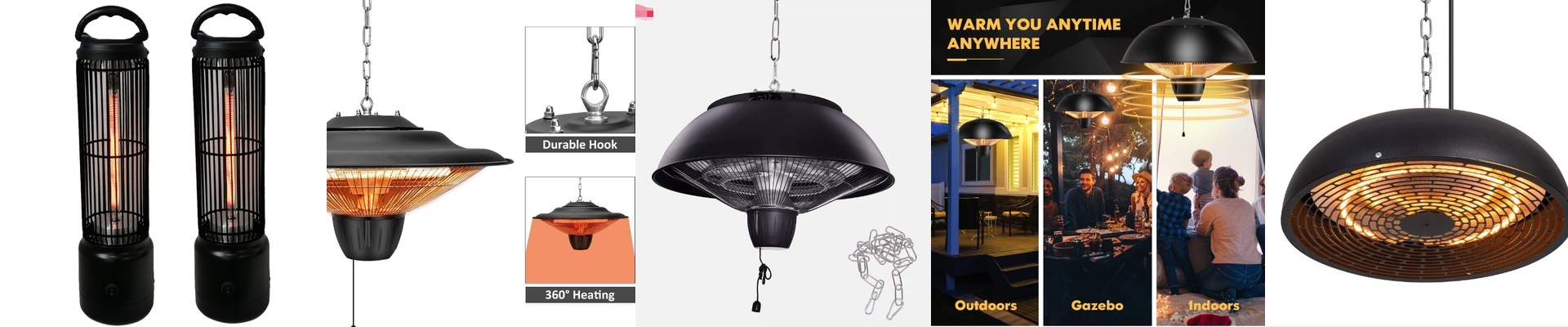
When you’re designing a heater for a bathroom, you’re not just trying to keep someone warm. You’re playing a game of risk management. Here’s the problem: bathrooms are humid. You’ve got steam everywhere, and occasionally, a stray drop of cold water lands on a heating element that’s screaming at 600°C. With a standard quartz tube, that’s a recipe for disaster. The glass can’t handle that kind of sudden temperature swing, and it just… pops. That’s why we use explosion-proof quartz.
The “Thermal Shock” headache
Quartz is great because it lets heat through and doesn’t melt under pressure. But it has a bit of a temper. If a tiny droplet of water hits a red-hot lamp, the glass shrinks too fast in one spot and cracks. To stop this from becoming a nightmare, our tubes have a special internal mesh or a reinforced coating. Think of it as a safety net. If the glass does fail, this barrier catches the fragments. It stops the heating element from sparking or collapsing, which keeps the whole unit from blowing out.
The nitty-gritty on safety
We use high-purity fused silica. It’s the stuff that gives you that “instant-on” warmth the second you flip the switch. While the electrical side is pretty straightforward, the real magic is in the glass. By treating the surface, we make the material way more relaxed when the temperature jumps around. One quick tip: make sure your housing is vented properly. Even with the best glass in the world, if heat gets trapped, it’ll eventually start eating away at the plastic casing.
The trade-off
The good news? These lamps are easy. They’re basically drop-in replacements for standard halogen tubes. They fit the same sockets and wire up the same way. No fuss. There is one catch, though. Because of those safety coatings and meshes, you lose a tiny bit of light and heat—maybe 5% to 10%. It’s a small price to pay to make sure your heater doesn’t have a meltdown in a wet room. I’d take a slightly cooler heater over a shattered one any day.