Keeping Your Bathroom Heater From Quitting on You
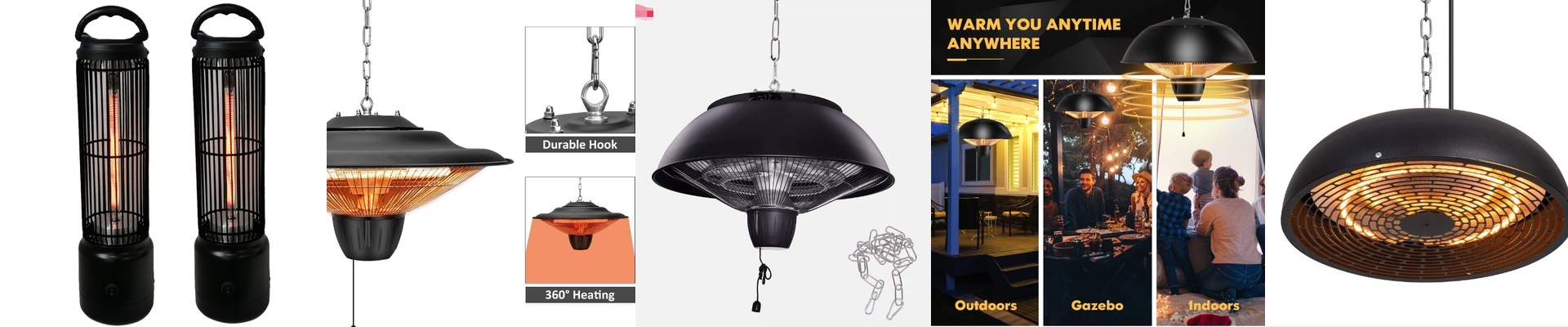
Let’s be honest: bathrooms are absolute torture for electronics. You’ve got thick steam, random splashes of water, and temperatures that jump from freezing to boiling in minutes. Most heaters just can’t take it. When we set out to build our infrared wall heaters, we didn’t want to make something that works for a month and then dies. We focused on the two things that usually kill these units: water getting inside and the lens fogging up.
Stopping the Leaks
We all know water and electricity are a terrible mix. To keep things safe, we don’t just “seal” the unit—we lock it down. We use thick silicone gaskets and sealed cable entries to make sure steam never touches the internal wiring. It sounds like a small detail, but it’s everything. Cheap heaters usually burn out because the terminals oxidize and rust. By keeping the moisture out, we stop that from happening. Then there’s the glass. If a cold drop of water hits a red-hot quartz tube, it can shatter instantly. To fix this, we designed the housing to physically push splashes away from the element. It’s a simple shield, but it’s the difference between a warm morning and a mess of broken glass on your floor.
The Fog Problem
Ever notice how your mirror disappears the second you turn on the shower? The same thing happens to heater lenses. When warm, wet air hits a cold surface, it creates a film of fog that blocks the heat. You’re standing there, but you aren’t actually feeling the warmth. To fight this, we added a hydrophobic coating to the glass. Basically, it makes the water bead up and roll right off instead of sticking. Plus, the heater is designed to warm up the lens quickly. Once the glass gets hot enough, any leftover condensation just evaporates. The result? A clear path for the heat to hit you exactly where you want it.
One Quick Heads-Up
Here’s the catch: all those seals and heavy-duty materials make the unit a bit heavier than your average plastic heater. Because of that, you can’t just screw this into a thin piece of drywall and hope for the best. You’ll need a reinforced mounting bracket. If the wall isn’t sturdy enough, the unit will start to sag over time, and you’ll lose that perfect heat angle. It’s a small extra step during install, but it’s the only way to make sure the thing stays put.