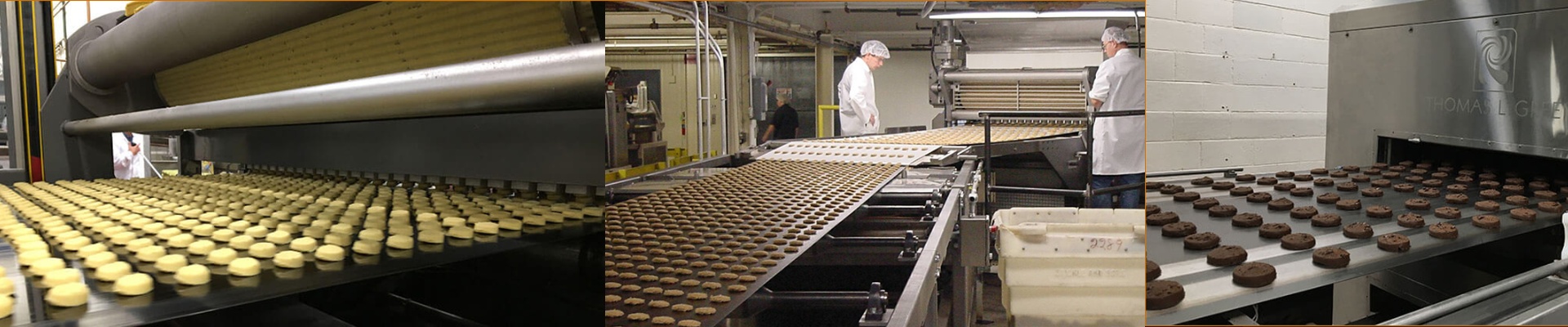
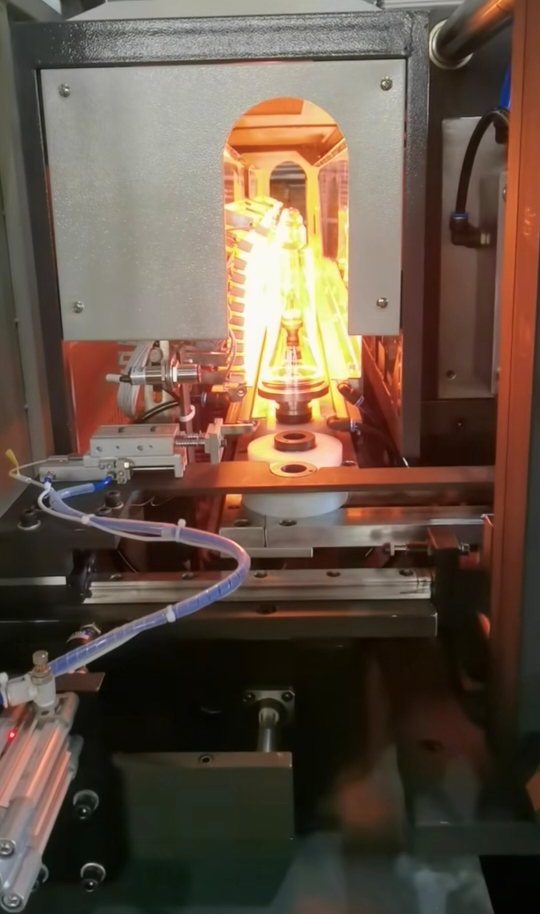
On the blow molding line, the heating stage is the pace setter. Run PETC preforms too cool and you’re staring down weak biaxial stretch, heavy crystallinity, and a growing pile of rejects. Crank them too hot, and the surface softens before the core does. Then you’re chasing haze and wall thickness that swings all over the place. What you need is repeatable, fast preform heating that tracks the mold geometry and keeps pace with the machine cycle.
What matters under the hood
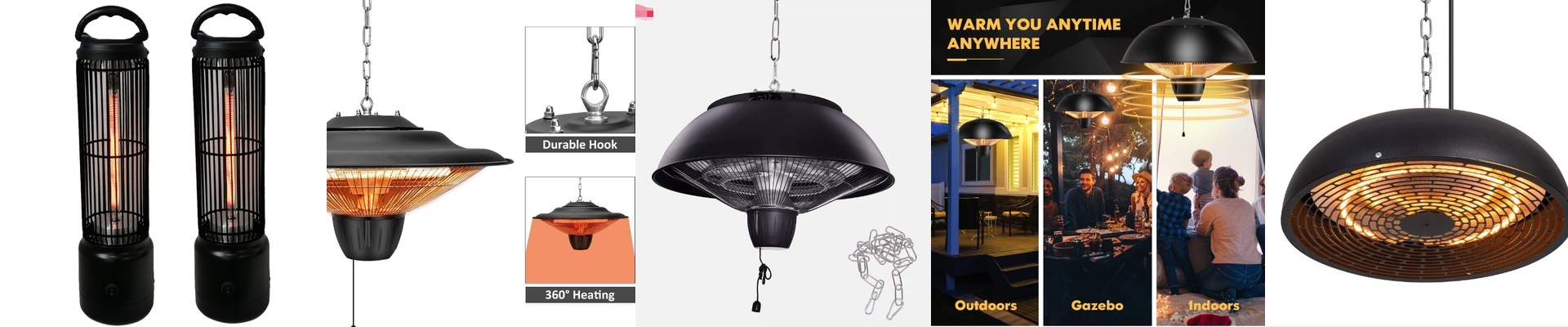
We build the heating around short-wave infrared emitters, tuned to hit the PET absorption band hard. The quartz envelopes run hot and fast, dumping high power density with a snappy response, so the preform surface hits stretch temperature in seconds. The emitter geometry follows the preform neck and body, so the heat profile stays even across the heating tunnel. We hold tight tolerances on lamp length and R7s connectors so the assembly drops straight into existing fixtures on Sidel, Krones, SIPA, Husky, SACMI, and Nissei ASB blow molders—no rework. Power density is calibrated to line speed, so you get consistent output without overshooting the setpoint.
Why this works on the floor
This approach goes straight at the heart of PETC preform heating versus PET bottle output. Thermal transfer is faster, so the preform heats quickly and uniformly, then stretches cleanly in the blow molder. The payoff is fewer pinholes, better clarity, and wall thickness that stays tightly distributed. Energy use drops because the emitter switches on and off fast, and cycle time stays stable since preform temperature is repeatable shot to shot. For maintenance, the modular lamp and reflector layout makes swaps quick, with predictable replacement intervals.
What to watch for
Installation is straightforward, but the line needs a stable voltage supply and clean contacts. Voltage drop will throw off the heat curve. Keep reflectors clean and aligned—dust and mis-set angles will create hot spots. If you’re running heavy black or opaque preforms, the absorption spectrum shifts, so we adjust emitter wavelength and power density accordingly. Plan a short tune-up window to lock in the temperature profile, then log the setpoints for each product change.