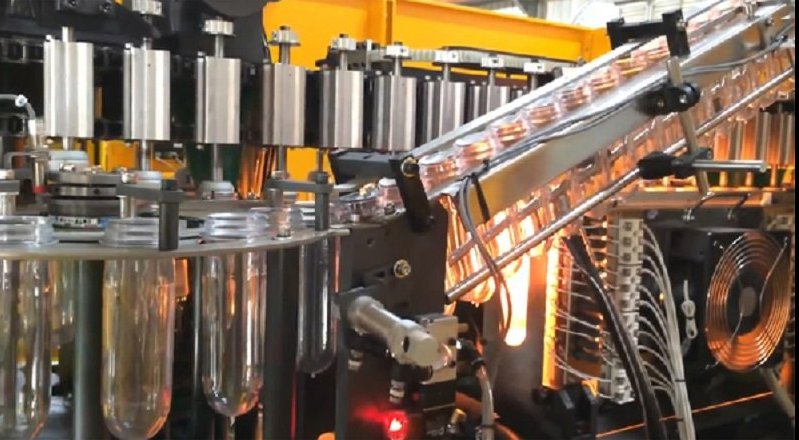
Getting Your KOSME KSB 4000/6000 Back Up to Speed
Keeping the heat profile steady in a KOSME KSB 4000 or 6000 isn’t just about “turning up the dial.” It’s about getting the heat flux exactly right. That’s why we built our replacement IR lamps to be a mirror image of the OEM specs. They fit the footprint, they match the electricals, and most importantly, you don’t have to mess around with your wiring or racking to get them in. The power side of things These lamps run on high-voltage circuits to push a ton of wattage through a very short tube. We’re obsessive about the voltage-to-wattage ratio. Why? Because if the lamp doesn’t hit that target temperature fast enough, you’re looking at “pearlization” or PET preforms that just won’t plasticize. And a heads-up: if you try to run these at a lower voltage than they’re built for, your cycle times will start to creep up. Not a great look when you’re trying to hit production targets. Built to take the heat We use high-purity quartz glass. It has to be, otherwise, the thermal shock from rapid cycling would just shatter the tube. We also add a halogen gas fill to stop the filament from evaporating too quickly. It’s a simple tweak that makes the lamp last a lot longer. As for the fit? We use standard R7s or Sk15 connectors, depending on which KOSME setup you’re running. They’re direct drop-ins. You just pop the old one out and slide the new one in. No rewiring, no headaches. A quick tip on maintenance Our lamps work with about 95% of the blowing equipment out there because we keep the dimensions and spectral output standard. But here’s the thing… high-wattage shortwave lamps create an intense amount of heat. If your reflection chambers are caked in grime or your cooling fans are acting up, that heat has nowhere to go. It just builds up in the oven housing and burns out your lamps way too soon. Keep those reflectors clean. It’s the easiest way to make your quartz last. We keep these on the shelf so you don’t have to deal with the nightmare lead times that usually come with OEM parts. When a tube burns out, you swap it, flip the switch, and get the line moving again. Simple as that.