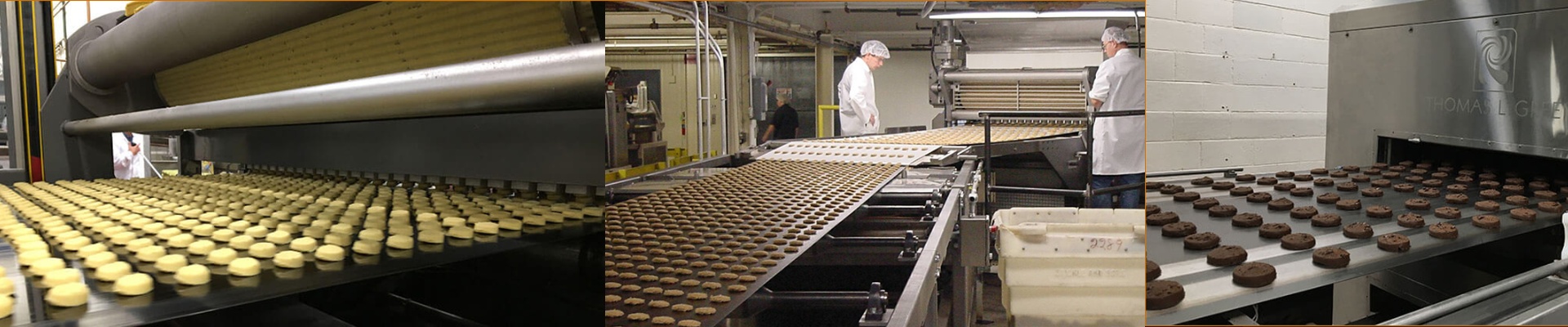
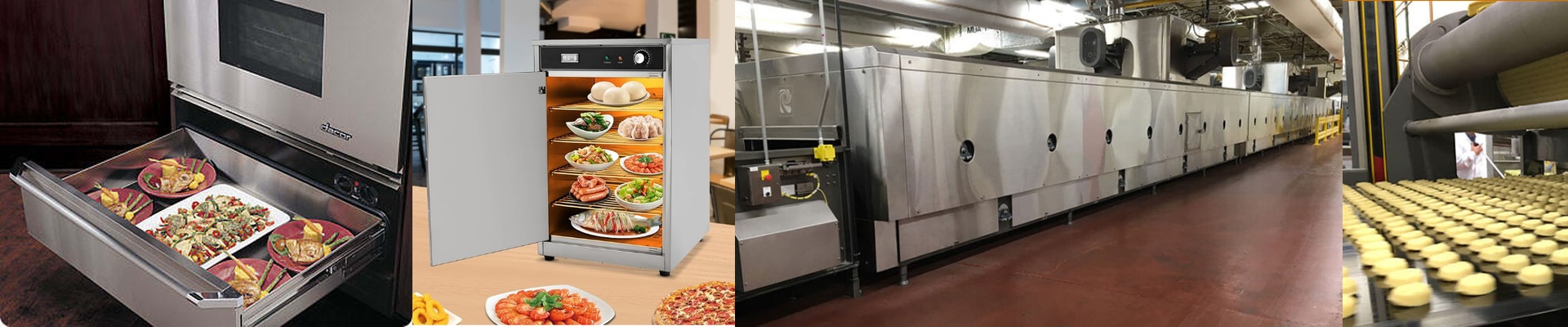
Getting Your Oven Temp Exactly Right
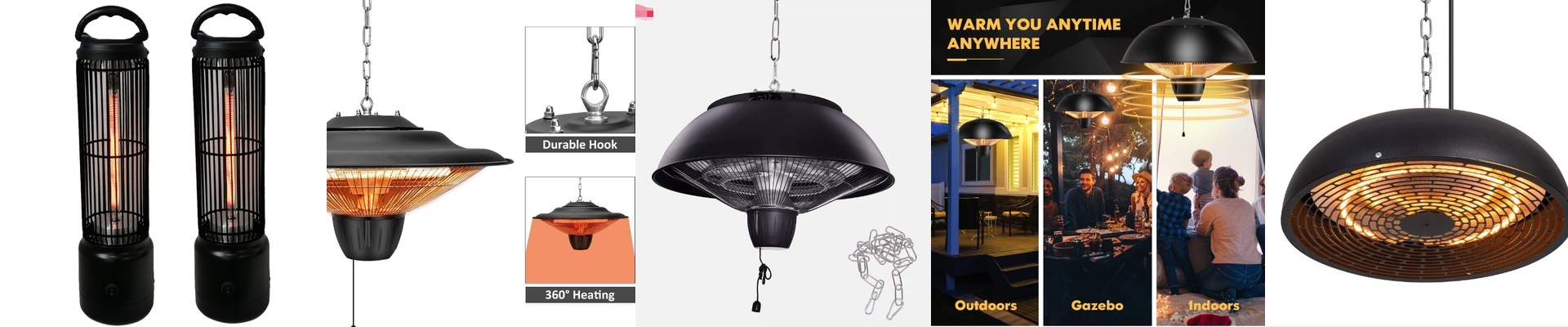
If you’ve ever struggled with a tricky bake, you know that just setting a dial to 450°F isn’t enough. You need to be able to nudge the heat up and down in real-time, and you need it to happen now. That’s why we stopped relying on old-school heating elements. They’re just too sluggish. Instead, we’ve switched to short-wave infrared heaters. Think of it like switching from a slow-heating radiator to a light switch. You flip it, and the heat is there. You flip it off, and it’s gone.
Why Speed Actually Matters
Here’s the thing: standard heating coils are slow. They take forever to warm up and even longer to cool down. If you’re trying to hit a tight temperature window, that lag is your worst enemy. Our IR lamps work differently. They turn electricity into radiant heat almost instantly. This gives you a level of control that feels almost intuitive. Want to blast the crust for a perfect sear? Crank it. Worried the inside of the loaf is getting too hot? Kill the power, and the heat flux drops immediately. No more guessing games or praying the oven cools down in time.
The Nitty-Gritty Hardware
Because these ovens work hard, we didn’t go cheap on the parts. We use quartz envelopes and halogen-filled cores. Why? Because these lamps are constantly switching on and off, and a cheap filament would just burn out. But a word of caution on the setup: your PID controllers and SSRs need to be up for the task. They have to handle that rapid-fire switching without breaking a sweat. And please, check your wiring. If your gauge is too thin, you’ll get voltage drops, and suddenly your calibration is out the window.
A Few Things to Keep in Mind
Switching to IR lamps does change how the oven “feels.” Radiant heat hits the dough differently than the hot air of a convection oven. You’ll probably need to tweak your timers. It’s a different kind of heat, so your old recipes might need a little adjusting. Also, these lamps pack a punch. They concentrate a lot of heat in small areas, so just double-check that your oven’s chassis and insulation can take the heat. You don’t want to find out the hard way that your deck is warping because of a localized hotspot.