Stop Throwing Away Burnt Bread
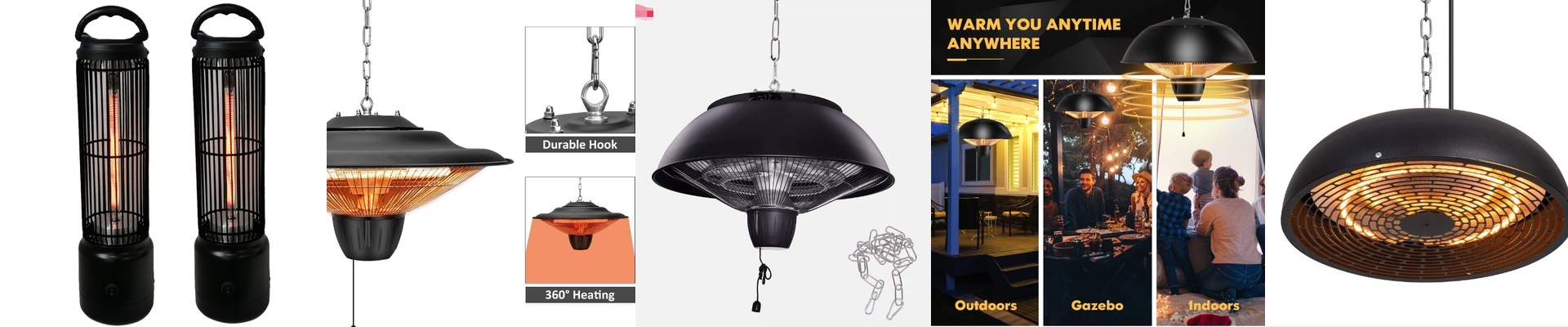
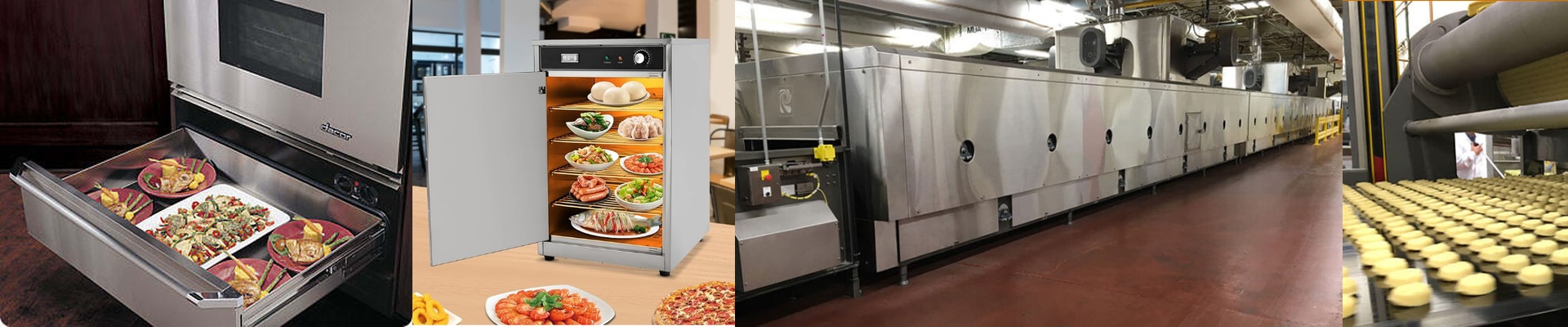
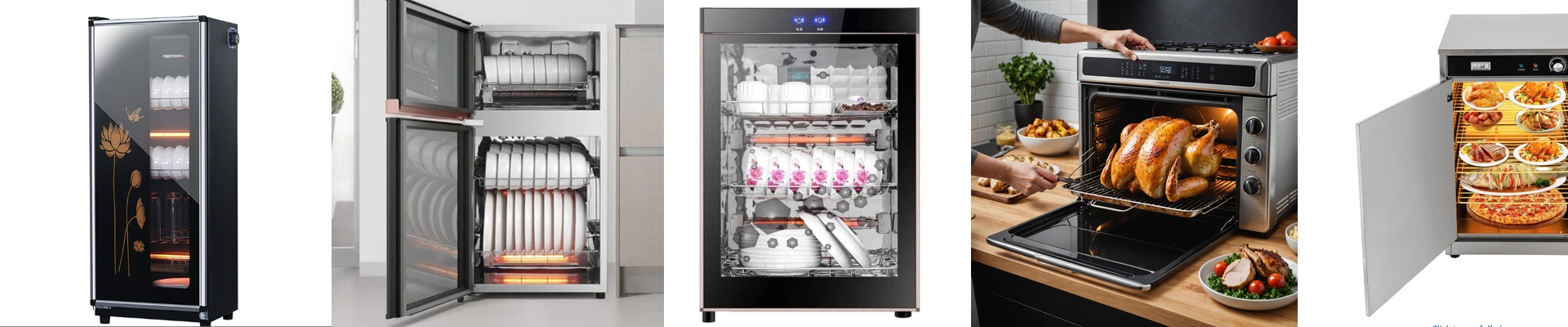
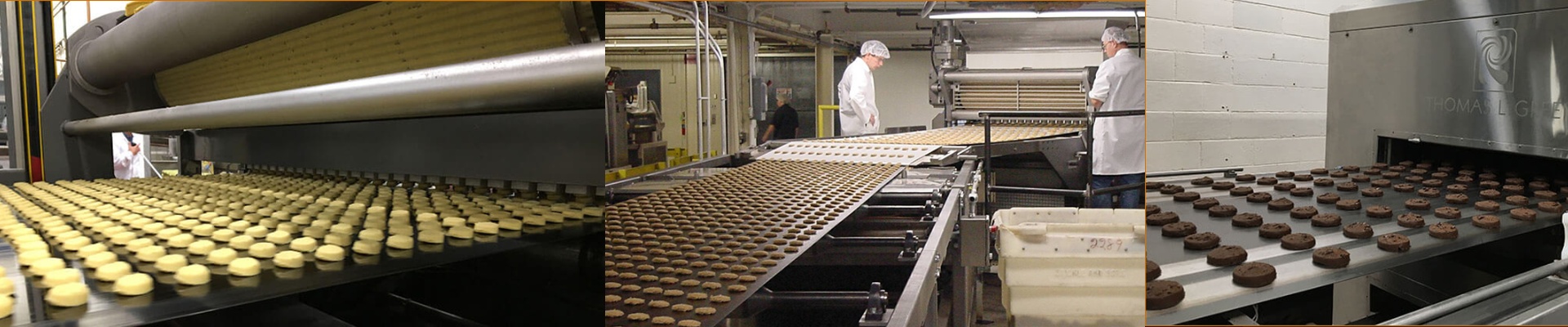
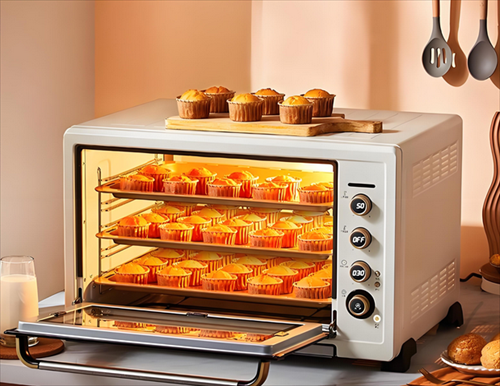
There is nothing more frustrating than pulling a tray out of the oven only to find the edges are charred black while the middle is basically raw dough. It’s a nightmare for your margins and a headache for your staff. Usually, this happens because the heat just isn’t getting where it needs to go. That’s why we use 250W ceramic infrared heaters. Standard convection relies on blowing hot air around, which is fine until you hit a “cold spot.” Infrared is different. It doesn’t wait for the air to move; it sends energy straight into the product. Why 250W? We picked this specific wattage because it hits the sweet spot. It’s enough power to get the job done without overheating the surface area. Think of the ceramic as a sponge for heat. It soaks up the energy and radiates it as far-infrared waves. These waves dig deeper into the dough than a gust of hot air ever could. When you arrange these in a grid, those annoying cold spots just vanish. You get a steady, predictable soak across the whole rack. Built for the Mess Bakery environments are brutal. You’ve got humidity, flour dust everywhere, and grease. Most heaters would crack or rust under those conditions. We use high-purity alumina ceramics because they can take a beating. The ceramic housing acts like a shield, keeping the internal heating element safe from the gunk that naturally builds up in a commercial kitchen. One quick tip: pair these with a PID controller. You want precision here. And don’t just blast them at 100% all day—those casings get incredibly hot. Make sure your oven chassis is well-insulated, or you’ll just be heating the room instead of the bread. The Real-World Result When you swap out those old tubular elements for ceramic IR units, the first thing you’ll notice is the pre-heat time. It drops. Because you aren’t waiting for air to circulate, the heat hits the product the second it goes in. You get a consistent crust every single time. No more “hot zones,” no more guesswork, and way less scrap hitting the bin. For any engineer tired of fighting with quality consistency on a high-volume line, this is the fix. It just works.