Stopping the “Overshoot”: Why Fast Heat Matters
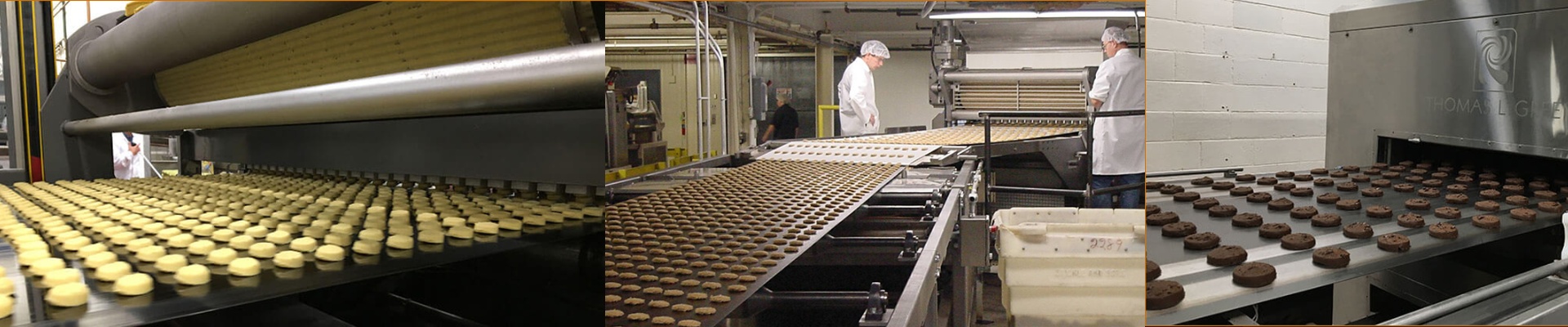
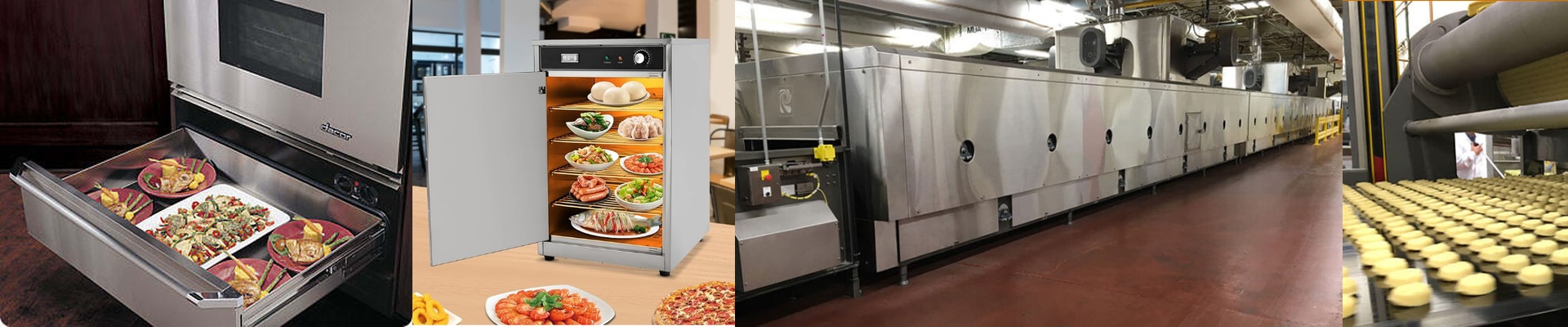
If you’ve ever pulled a tray of bread out of a deck oven only to find the bottoms are burnt—even though the thermostat said everything was fine—you know exactly what I’m talking about. The problem is that most heating elements are like big old radiators. They take forever to warm up, and more importantly, they stay scorching hot long after you’ve turned the power off. We call that “thermal overshoot.” Basically, your oven keeps cooking your crust even after the sensor tells it to stop. It’s frustrating, and it ruins a good bake. That’s where our halogen infrared lamps come in.
Heat that actually listens to you
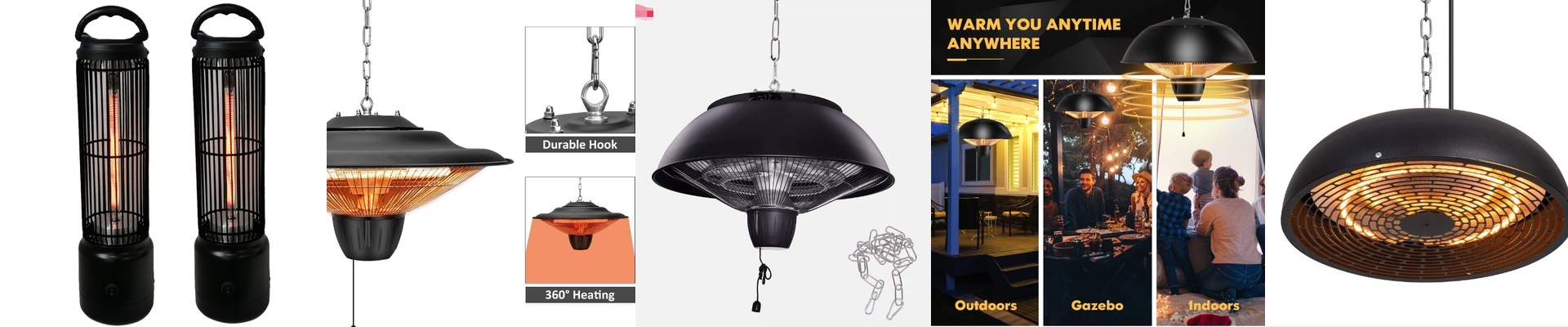
Instead of heating up the air and hoping for the best, these lamps shoot energy directly into your product. The best part? They’re incredibly fast. We’ve designed them to hit full temperature in a few seconds. But the real magic happens when you kill the power—the heat drops almost instantly. This means your PID controller can actually do its job. Instead of the temperature swinging up and down like a rollercoaster, you get a steady, flat line. You get exactly the heat you asked for, no more and no less.
The nitty-gritty on the hardware
We’ve packed a lot of power into a pretty small footprint. We use quartz glass and a halogen gas cycle to keep the filament from wearing out too quickly, so these things actually last. If you’re looking to swap out your old setup, it’s pretty easy. Most of our lamps use standard R7s or SK15 connectors, so they should just slide right into your existing rig. Just do me a favor:**double-check your voltage.**If you plug a 230V lamp into a 110V line, you won’t feel much heat. Go the other way, and you’ll pop the filament instantly.
A couple of warnings
Now, this kind of responsiveness comes with a trade-off. Because the heat is so intense and concentrated in that little quartz tube, the glass is fragile. Here is a pro tip:**don’t touch the glass with your bare hands.**A single greasy fingerprint can create a “hot spot” that causes the tube to crack under the stress. Always use gloves. Also, make sure your oven’s vents are clear. These lamps put out a lot of energy, and you don’t want that heat building up around the housing.