Why it’s time to ditch the heating wires in your rotary oven
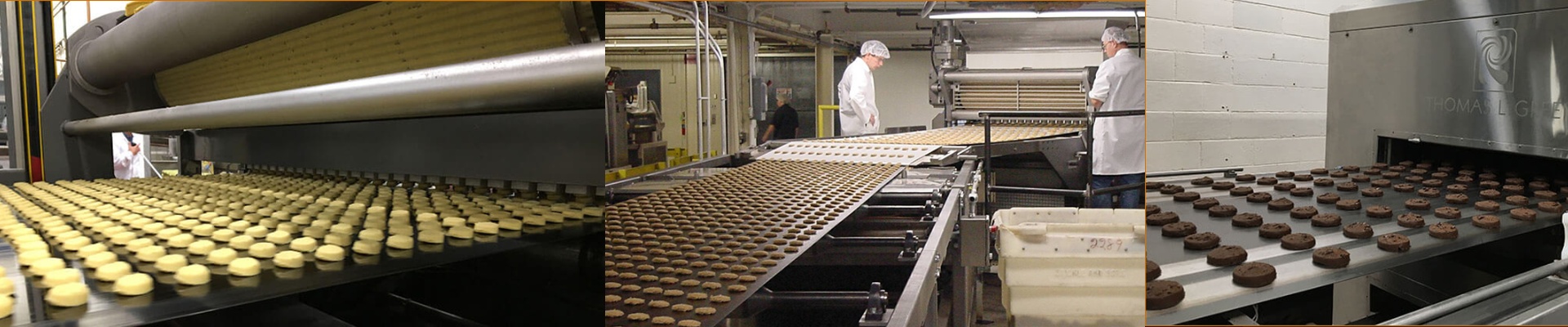
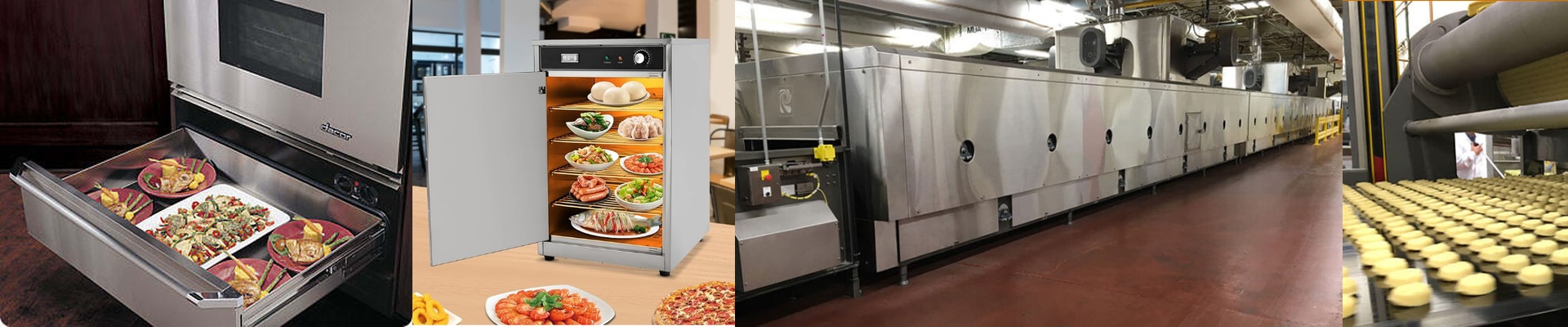
If you’re still using those old-school resistance wires in your rotary ovens, you’re basically fighting a losing battle with physics. Those wires spend a huge amount of energy just heating up the air around them, which then—slowly—tries to heat your product. It’s a sluggish process, and you’re losing a ton of heat to the room. We’ve been swapping those out for infrared (IR) bulbs, and the difference is night and day.
How it actually works
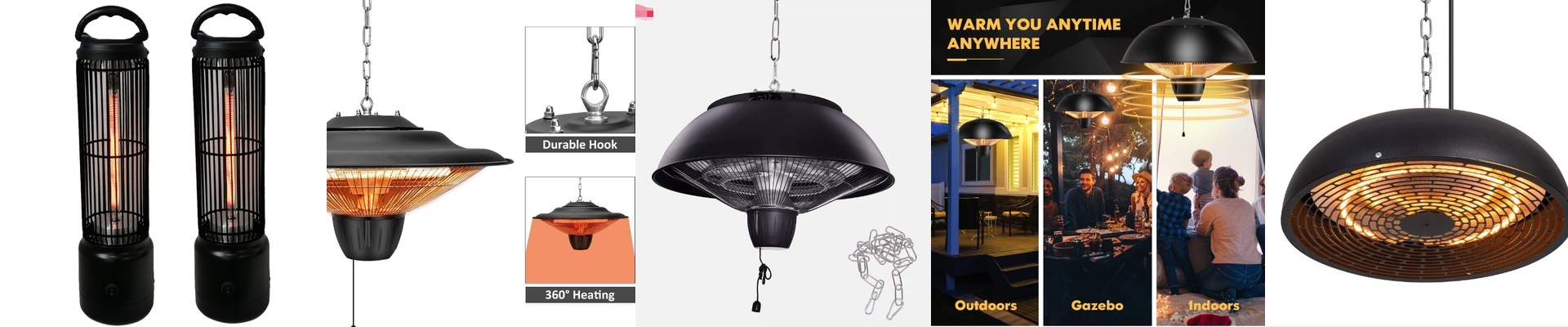
Think of it like the sun. You don’t feel the air around you get hot before you feel the sun on your skin; the heat just hits you. IR bulbs do the same thing. They send electromagnetic radiation straight into the product. You stop wasting power trying to turn the entire oven cavity into a sauna. Because the energy goes directly where it’s needed, your pre-heat times drop significantly. Your electricity bill feels it, too.
The gear you’ll need
We use high-purity quartz glass for these bulbs because they have to handle some serious thermal shock. Depending on what you’re baking or drying, you’ve got two choices: shortwave or medium-wave. Shortwave is the “fast and furious” option—it hits the surface hard. Medium-wave is a bit more patient and sinks deeper into the material. The wiring part is easy. We use standard industrial connectors so everything clicks into place without a headache. But here is a heads-up:check your controllers. IR lamps heat up almost instantly. If your PID controllers aren’t tuned for that kind of speed, you’ll overshoot your temperature and end up with a tray of burnt product.
The honest trade-offs
It’s not all magic; there are a few things to watch out for. Resistance coils are tanks—you can practically hit them with a hammer. IR bulbs? Not so much. They’re made of quartz, so they’re fragile. If your rotary mechanism vibrates too much or your product shifts and bumps the tube, the bulb will shatter. You’ll need to put some proper guarding in place to keep them safe. Also, don’t just throw the highest wattage you can find at the problem. If you over-spec the power, you’ll scorch the outside of your product before the inside is done. It’s all about matching the wattage to your line speed and the thickness of your product. Get that balance right, and your cost-per-unit will plummet.