Why the Best Bakers Are Adding Infrared to Their Rotary Ovens
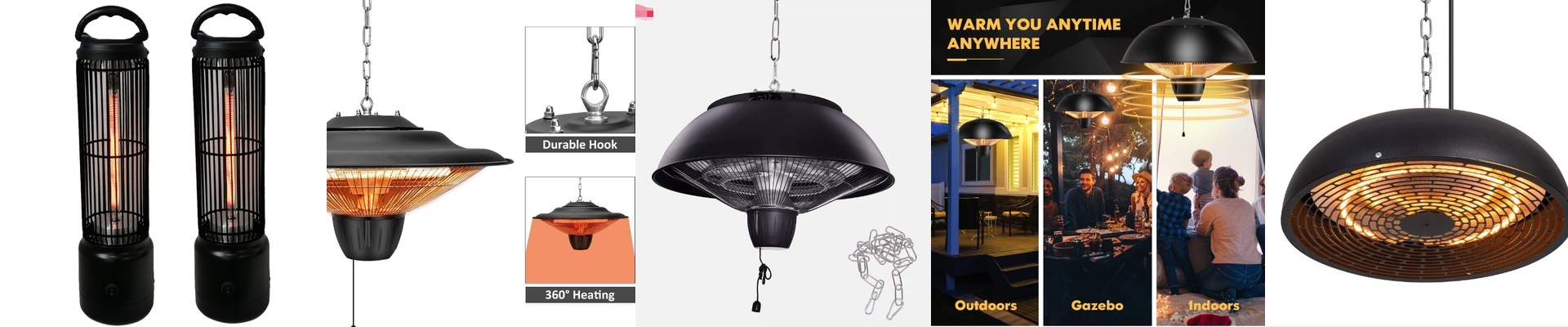
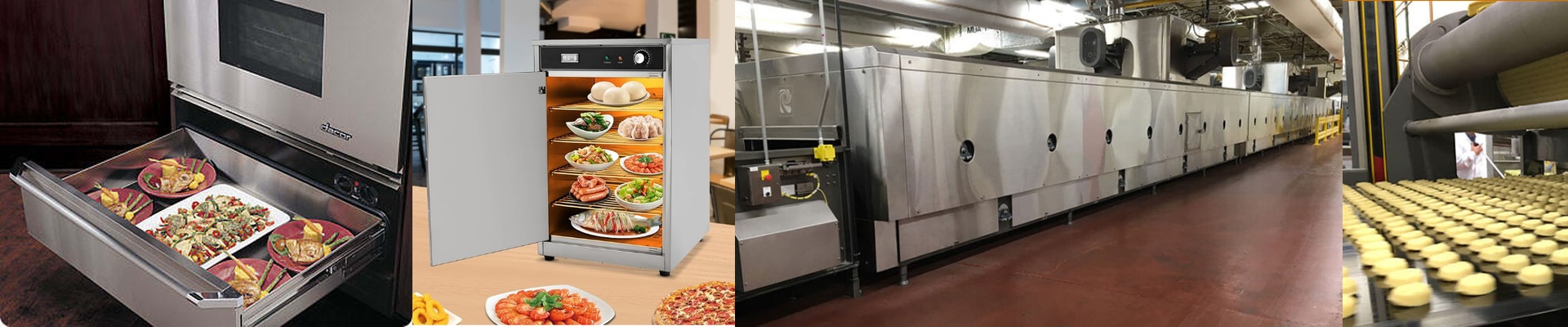
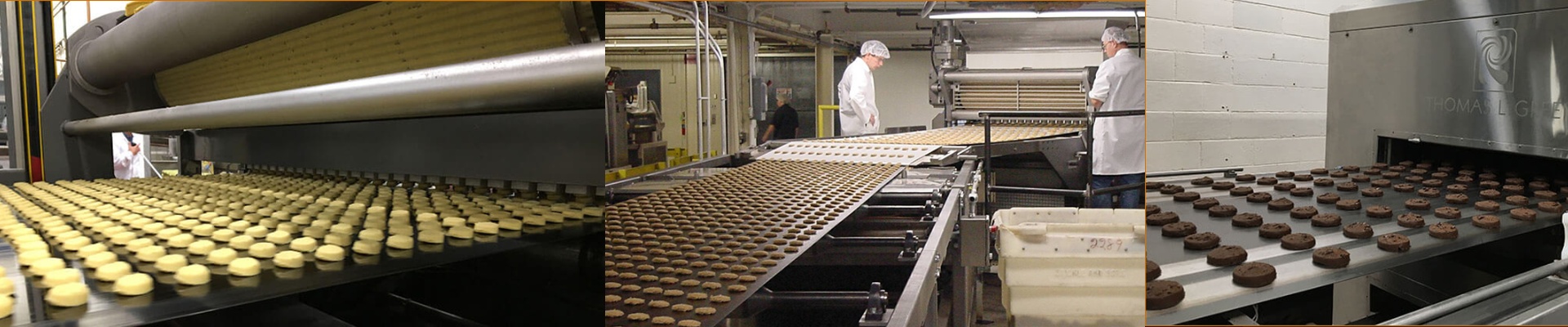
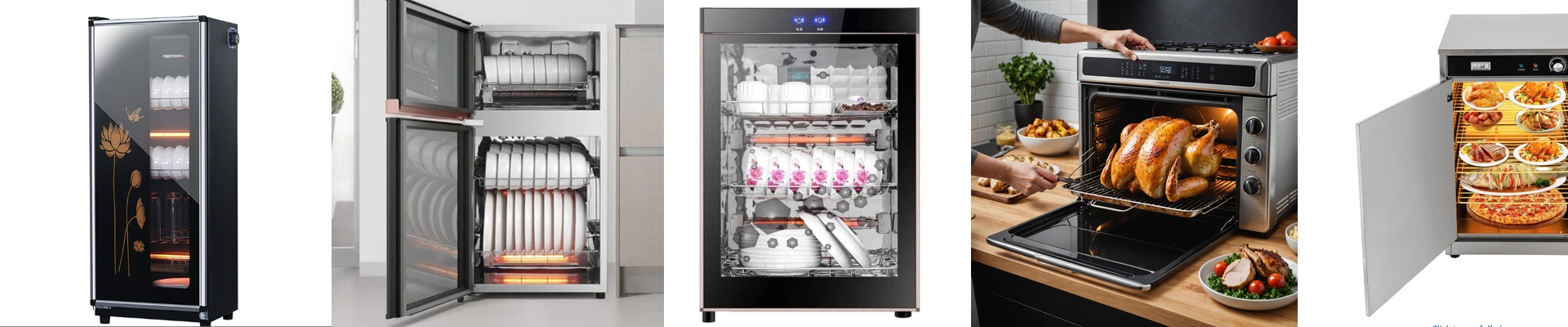
Most rotary ovens just move air around. That’s fine, but it’s slow. We’ve started putting short-wave infrared (IR) lamps into these systems because they do something air can’t: they hit the dough with immediate, radiant heat. It sinks right into the surface. This means you don’t end up with a dried-out, cardboard crust just because you were waiting for the center of the loaf to finally catch up. The secret is in the heat. We use quartz-halogen lamps. Instead of wasting time warming up the air in the oven, these lamps send out energy that the bread absorbs directly. It’s a massive jump in heat density. Think of it as a “thermal boost.” Every time you open the oven door or the racks rotate, you lose heat. These lamps plug that gap, keeping the temperature where it needs to be so your timing doesn’t get thrown off. The nitty-gritty on the gear These lamps pull a lot of power, so they run on industrial circuits to keep the hardware small but the heat high. We use R7s or SK15 connectors because they stay put. The last thing you want is a connection vibrating loose while the oven is spinning. We also coat the quartz envelope. This directs the heat onto your bread rather than just heating up the oven walls. One heads-up: check your electrical panel. These arrays draw a lot of current. If your power supply isn’t ready for that initial spike when the lamps kick in, you’re going to be tripping breakers all morning. Finding the sweet spot Here’s the thing: IR is powerful. Almost aggressive. If the lamps are too close or your rotation is too sluggish, you’ll scorch the outside of your bread before it’s done. It’s a balancing act. You have to tune the IR intensity against your convection fan speed. When you get that calibration right? That’s when you get that perfect, golden-brown crust and a center that’s baked exactly how it should be.