Getting That Perfect Golden Brown (Without Drying Out Your Bread)
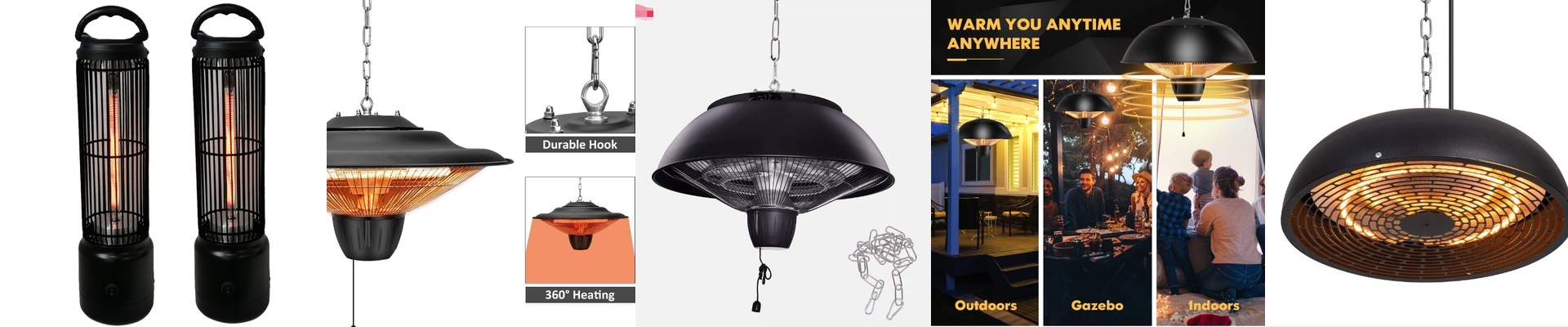
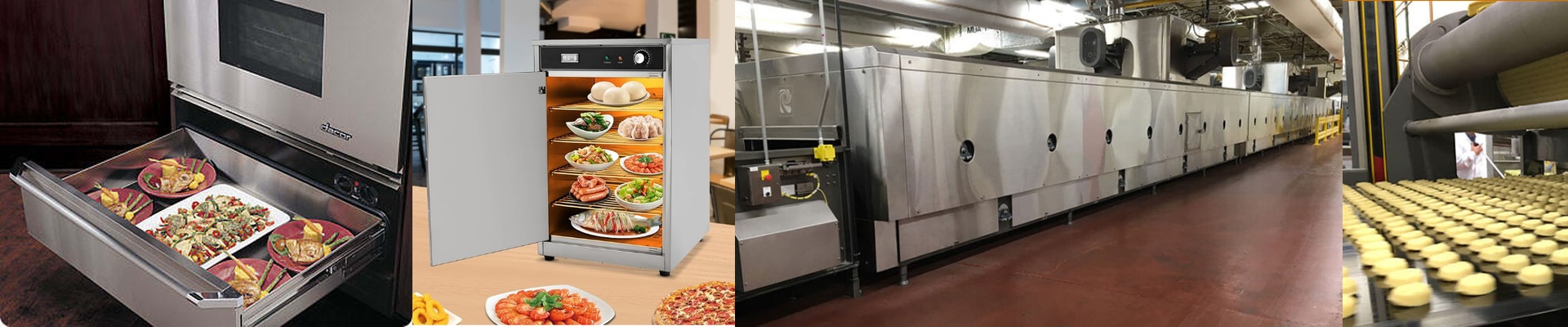
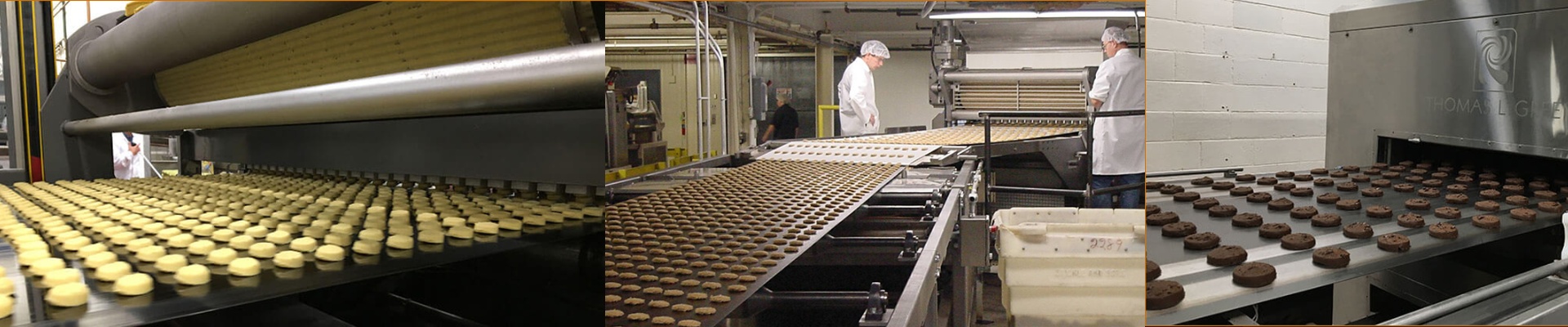
Ever notice how some bread has that gorgeous, crisp crust, but the inside is still soft and fluffy? That’s the dream. The problem is that most convection ovens rely on blowing hot air around. It’s too slow. By the time the outside looks right, you’ve basically turned the inside of your loaf into a crouton. To fix this, we use shortwave halogen bulbs. Think of it like a heat flash. Instead of waiting for the air to warm up, these lamps beam heat directly onto the dough. It hits the surface instantly.
Why Halogen Actually Works
Standard heating coils take a while to get going. Halogen lamps? They’re ready in seconds. We’ve designed these as simple drop-in replacements for the top heating array in your oven. Inside the bulb, there’s a tungsten filament tucked into a special halogen gas mix. This keeps the filament from wearing out too quickly, which lets us crank up the heat. This creates “shortwave” infrared radiation. It sounds technical, but all it really means is that the heat moves faster. You can trigger that perfect browning and shut it off before the middle of your bread overcooks. It gives you way more control.
The Nitty-Gritty on Installation
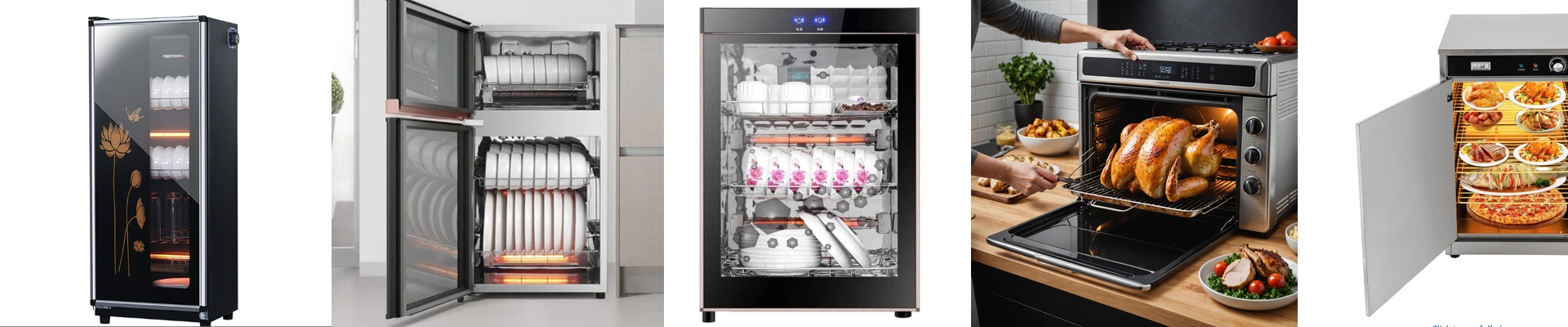
Most of these bulbs use quartz glass because it can handle the wild temperature swings without shattering. We usually go with R7s or spring-loaded connectors. Why? Because portable ovens vibrate when the fans kick in, and you don’t want your heating element rattling loose. One quick warning:**check your wattage and voltage.**Make sure they match your oven’s transformer exactly. If you go too high, you’re looking at a fried control board or, worse, a melted plastic housing. Not a great way to start the morning.
A Few Things to Watch Out For
These lamps pack a punch, which means they get incredibly hot. They’ll give you that bakery-style color on a baguette or a pastry, but the glass is finicky. Here is the most important part:don’t touch the glass with your bare hands. A single fingerprint or a smudge of grease creates a “hot spot” on the quartz. When the bulb heats up, that spot expands differently than the rest of the glass, and pop—it cracks. Always use gloves when you’re swapping them out. Your sanity (and your oven) will thank you.