Getting the Heat Right in Your Husky HyPET System
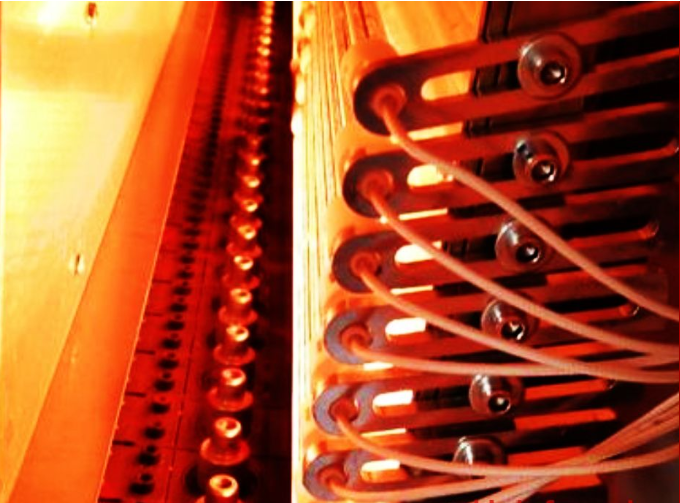
If you’re running high-speed Husky HyPET lines, you already know that cranking up the wattage isn’t always the answer. It’s not about how much heat you throw at the preform; it’s about how deep that heat actually goes. When the heat doesn’t penetrate the wall evenly, you end up with “cold spots.” That’s where the trouble starts—you get weird wall thickness or that annoying pearlescent haze in your finished bottles. Nobody wants that. How we actually get the heat inside We don’t just make a standard bulb. We tweak the quartz and the halogen cycle to shift the infrared spectrum. Why? Because PET resin only “likes” certain wavelengths. By hitting those specific notes, the heat punches right through the plastic instead of just bouncing off the surface. It’s the difference between a heat lamp that warms your skin and one that actually warms your bones. The gear under the hood For these fast lines, we use high-voltage tubes with very precise wattage. We want a tight, controlled thermal footprint. Depending on your oven rack, we use R7s or Sk15 connectors. The best part? They’re drop-in replacements. You don’t have to mess with your Husky mounts or spend hours modifying your setup. Just swap them in and go. We also treat the quartz glass to stop it from crystallizing. Once the glass degrades, your heat profile goes out the window. Plus, we use a heavy-duty filament. These things take a beating when the machine constantly cycles power to adjust for different preform weights, so they’re built to last. The catch (and how to handle it) Here’s the thing: these lamps put out a massive amount of energy. That means your cycle times drop and your output goes up. Great, right? But there’s a trade-off. All that heat puts a lot of pressure on your cooling blowers. If your vents are clogged or your airflow is weak, the oven gets way too hot. Before you know it, your preforms are warping before they even hit the blow mold. Keep your airflow clean. It’s a simple step, but it’s the only way to actually get the most out of these tubes.