Stop Buying New Blow Molding Machines Just to Speed Up
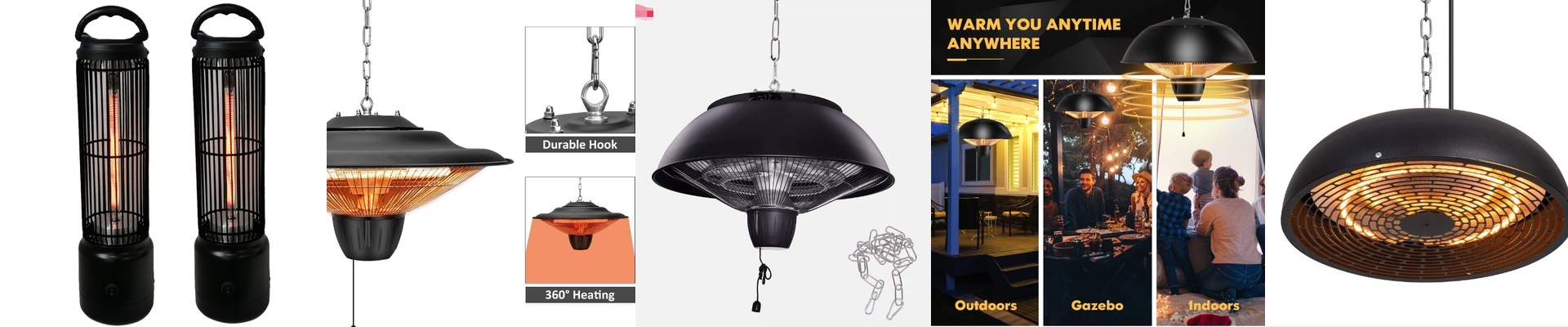
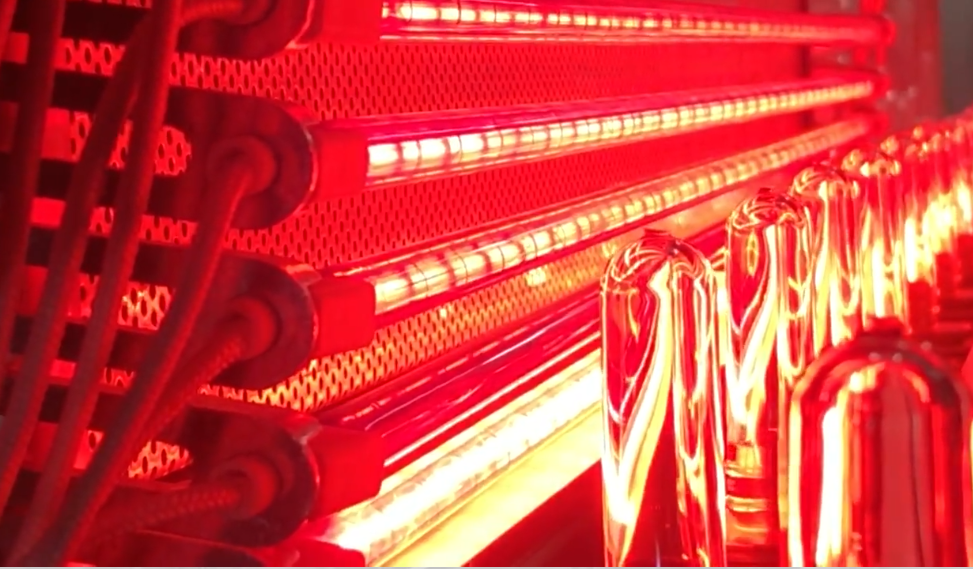
If you’re running a small or mid-sized brand, you probably have a blow molding machine that’s seen better days. It works, but it’s slow. It just can’t keep up with the pace you need today. Before you drop a fortune on a brand-new machine, look at your heating oven. That’s usually where the real bottleneck is. Most of the time, you don’t need a new rig—you just need better heat. Swapping out those old IR lamps for high-density halogen elements can shave time off your preform heating and actually move the needle on your daily output. The secret is all about heat density. To get more bottles out the door, you have to get your PET preform to that “glass transition” temperature faster. It comes down to how much power you can cram into a small space. When you switch from a standard quartz tube to a high-output halogen element, you’re pumping more infrared energy into every square inch. It’s a huge difference. Suddenly, you can speed up the conveyor or cut down on the number of heating zones you need. It just happens faster. Installation is the easy part. We made these to be drop-in replacements. We use standard R7s or Sk15 connectors because nobody wants to spend their weekend rewiring a control cabinet. Plus, the quartz glass has a special coating. Instead of just heating up the air inside the oven, it pushes the energy directly into the PET material. It’s much more efficient. But here is the catch. More heat isn’t a “magic button.” You can’t just plug them in and walk away. High-wattage lamps put more pressure on your power supplies and transformers. You’ve got to make sure your wiring can actually handle the extra amperage, or you’re asking for trouble. And because the heating happens so fast, you run the risk of “hot spots”—especially around the neck of the preform. You’ll need to spend some time tweaking your blower’s timing and airflow to get the balance right. One last thing: keep an eye on your cooling system. If it’s too small, the whole oven will start to bake, and your preforms might start to deform before they even hit the mold. It takes a bit of calibration, but the payoff in speed is worth the effort.