Why the best bakers are switching to infrared rotary ovens
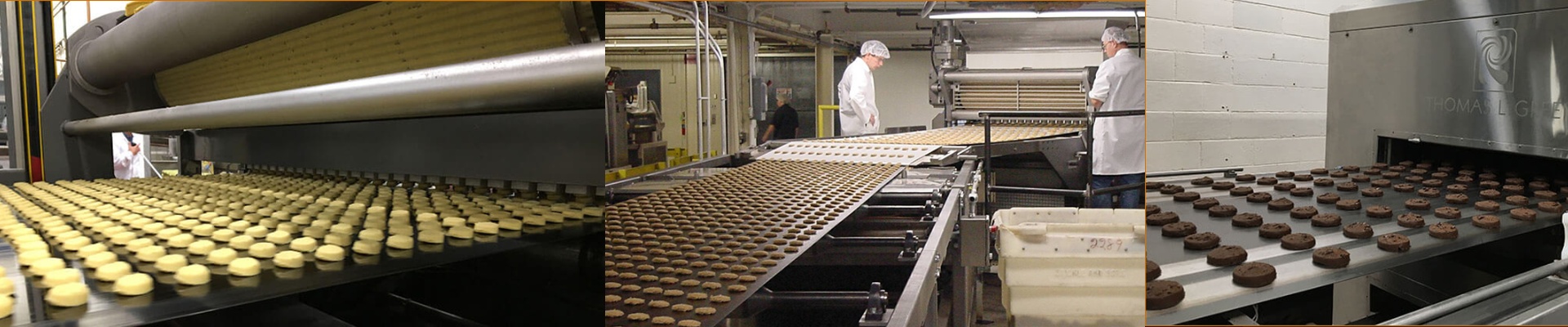
If you’ve spent any time with a standard convection oven, you know the struggle. You’re relying on air to move the heat around, but in a big rotary setup, that air doesn’t always play fair. You end up with “cold spots” or some loaves that just won’t brown right, even as the rack spins. That’s why we started adding ceramic infrared heaters to the mix. Instead of just warming up the air and hoping for the best, these heaters send out short-wave radiation. It doesn’t wait around. It goes straight into the dough.
The secret in the ceramics
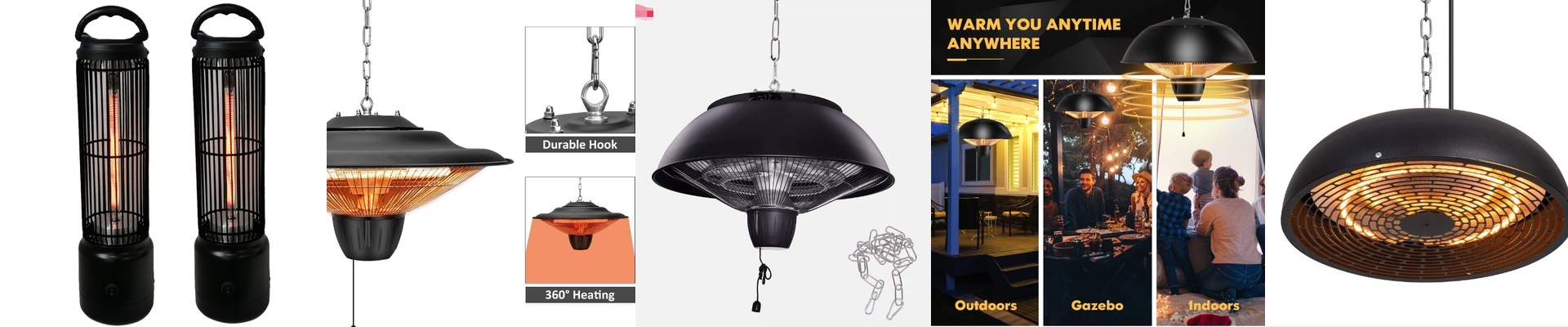
Think of it like the difference between a space heater and the sun. Metal coils take forever to get the air moving. Ceramic elements? They hit their peak temperature almost instantly. This means you can get that crust exactly where it needs to be without the long wait. And because we use high-alumina ceramics, they can handle the brutal “on-off-on” cycle of a busy commercial kitchen without cracking under the pressure.
Getting the heat where it matters
Placement is everything here. We don’t just toss these heaters in; we arrange them to create a “heat curtain” around your product. As the rack rotates, the bread is constantly bathed in heat. No matter where the loaf is sitting, the temperature stays the same. But there is a catch. This kind of heat is intense. If your oven’s outer shell is too thin, that heat leaks right out into your kitchen. Not only does that waste a ton of electricity, but it makes your shop floor feel like a sauna. That’s why we’re obsessive about the insulation.
What this actually does for your day
The biggest win is the recovery time. We’ve all been there: you open the oven door to load a fresh batch, all your heat vanishes, and your dough risks collapsing while the oven tries to catch up. With IR assistance, the temperature bounces back fast. It lets you tighten up your bake times and get that perfect, golden-brown finish across every single loaf in the batch. It’s just a smarter way to bake.