Stop the Bathroom Mold Battle (Using a Little Science)
Most of us think of those bathroom heat lamps as just a way to keep from shivering while we get dressed. But if you look under the hood, there’s something much cooler happening. It’s not just about warmth—it’s about fighting moisture. To actually stop mold, you can’t just make the air feel cozy. You have to physically push the water out of your tiles, grout, and sealant.
How the “Magic” Works
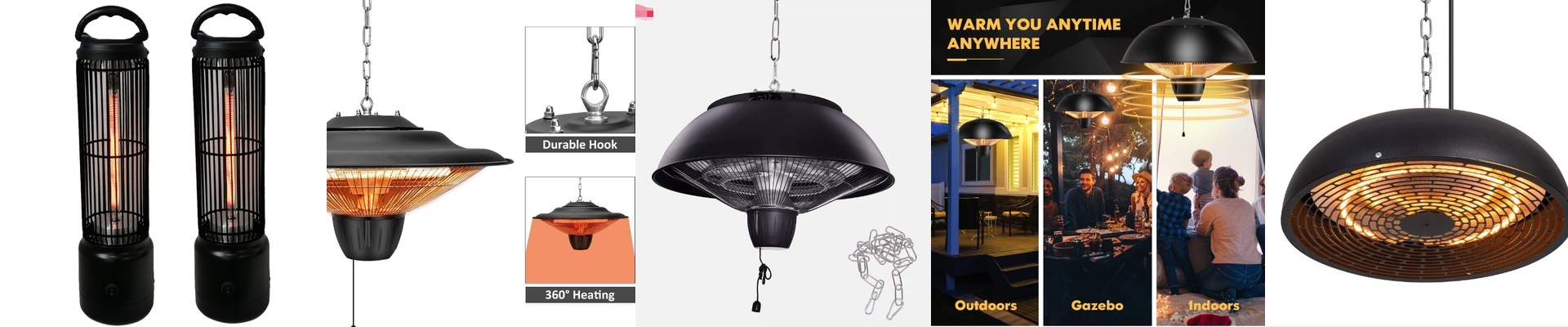
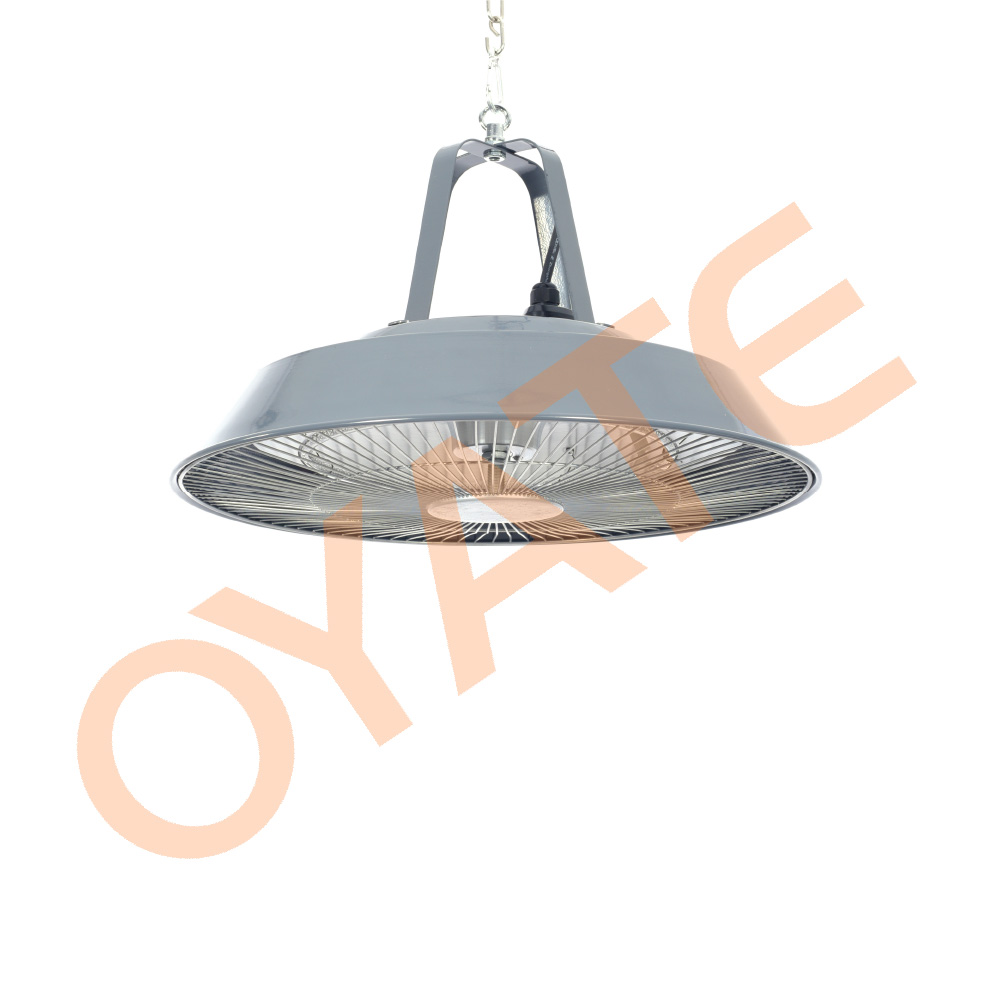
We use shortwave infrared emitters in these ceiling units. Now, here is the trick: they don’t really heat the air. They heat the stuff in the room. While other types of heat just float around, shortwave IR sinks deep into your surfaces. It creates a quick temperature jump right on the surface of your walls. When that happens, the trapped moisture has nowhere to go but out. It evaporates and heads straight for your vent.
Killing Mold Before It Starts
Mold loves a damp, stagnant corner. It’s basically a paradise for spores. By tuning the lamps to specific wavelengths, we can target water molecules directly. It’s like having a hidden dehumidifier built into your light fixture. Instead of just warming your shoulders, we’re drying out the actual structure of the room. If the surface stays dry and warm, mold simply can’t move in.
The Balancing Act
You might think, “Why not just blast it with the highest wattage possible?” Well, that’s where it gets tricky. Too much power in a small space is a recipe for disaster. You could end up scorching your ceiling or frying the electronics in the housing. It would also feel like standing under a heat lamp at a buffet—way too intense. We’ve spent a lot of time finding the sweet spot. You want enough energy to flash-dry the room, but not so much that you’re uncomfortable. My best advice? Hook the system up to a timer or a humidity sensor. That way, the drying cycle happens automatically. Your bathroom stays crisp and dry long after you’ve walked out the door.