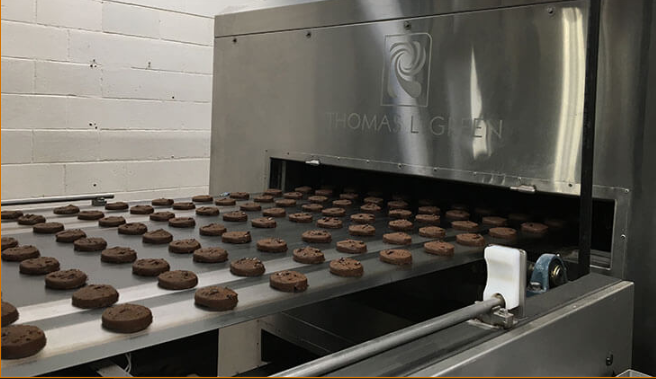
Stop Worrying About Your Bakery Dryer Tubes
Let’s be honest: bakery tableware dryers are absolute workhorses. When you’re running them for 10 hours a day, those infrared tubes aren’t just “working”—they’re fighting for their lives. There is nothing more frustrating than swapping out a tube only to have it burn out two weeks later. It’s a headache you just don’t need.
The real struggle with high-load heat
The goal here is simple: get the moisture off the trays fast, but don’t torch the material. That’s where the quartz glass comes in. If the glass isn’t high-purity, it’ll cloud up or just snap under the pressure of a long shift. The filament has to breathe. It expands and contracts constantly. If the materials are cheap, the tube can’t handle that stress, and you’re back to square one with a broken part.
Do the “off-brand” tubes actually work?
I get asked this all the time: Can a high-quality domestic tube actually keep up with those expensive European or American brands? Here is the secret: it all comes down to the tungsten and the gas. We use a halogen cycle that basically “recycles” the tungsten, pushing it back onto the filament as it evaporates. This stops the wire from thinning out and snapping. If the voltage, wattage, and length are a match, the heat is the same. You get the same punch of heat per inch, regardless of the logo on the box.
A few tips on installation
These are plug-and-play. You slide them into the sockets, wire them up, and you’re good to go. But a word of caution: don’t try to “cheat” the drying time by cranking the wattage too high. Sure, it might dry faster, but you’re killing the life of the tube. Plus, if you go way beyond what the machine was built for, you might actually melt or warp the reflector housing. Just make sure your control system is dialed in to the tube’s resistance. At the end of the day, reliability is just about two things: great quartz and a precise wind on the filament. Get those right, and your equipment just keeps humming along.