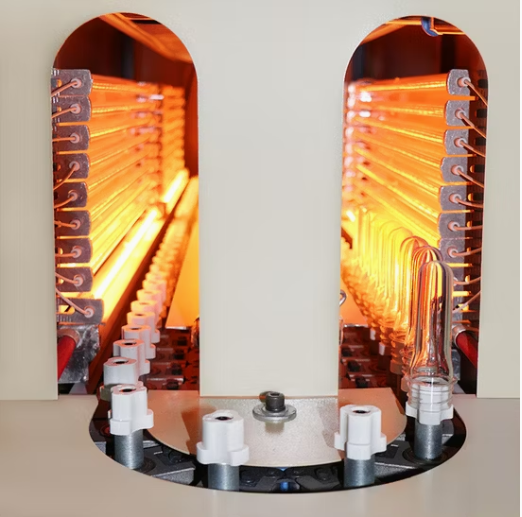
Stop Fighting Temperature Swings in Your SIPA Rotary Systems
If you’re running PET blowing, you already know that temperature is the one thing that can make or break your day. When you start seeing uneven heating in your SIPA rotary machine, the first instinct is usually to blame the controller. But more often than not? It’s actually the lamps. Here’s the trap: a lot of shops grab “generic” replacements. They look exactly the same on the shelf, but they’re often off by 5% or 10% in wattage. In a rotary oven, that tiny difference is a disaster. It creates cold spots, which leads to wonky wall thickness in your bottles. Not a great look. The trick to getting it right We build our infrared lamps to hit the original SIPA power specs exactly. Why does that matter? Because when you mix lamps with different resistances, the current starts shifting across the circuit. We call it “power drift.” Basically, some tubes run scorching hot while others are barely glowing. By locking in the power matching, every single lamp puts out the same amount of heat. You get a smooth, uniform profile across the entire preform. No guessing games. Built for the grind We use high-purity quartz glass because these things take a beating with all that rapid cycling. Depending on how old your machine is, we use standard R7s or Sk15 connectors. They’re simple drop-in replacements. You just pop them in and go—no messing around with rewiring. Plus, we use heavy-duty filaments so a random voltage spike doesn’t blow your lamps out prematurely. One thing to watch out for Now, a word of caution. High-wattage density is great for throughput, but it’s a bit of a double-edged sword. If you decide to move to higher-output lamps to speed things up, keep an eye on your blower speeds. If your airflow can’t keep up with the extra heat, you might end up frying your lamp sockets. We keep our tolerances tight so you can swap these out and get your line moving again without having to spend hours recalibrating your heating curve. It just works.