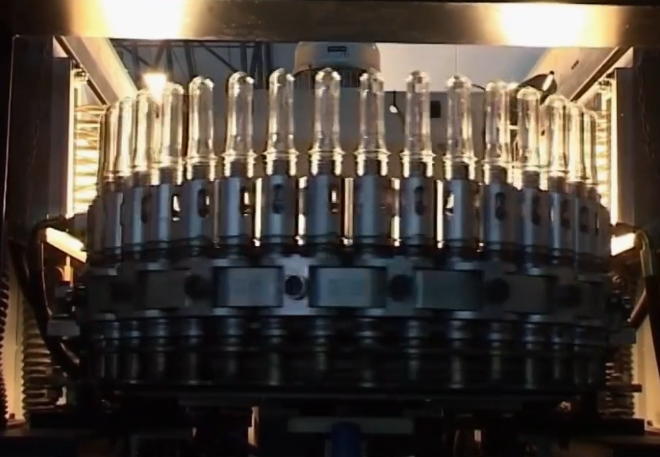
Getting the Heat Right for Husky HyPET Systems
If you’ve spent any time with high-speed PET blowing, you know the struggle. You’re pushing for speed, but the heat just won’t get where it needs to go. The surface of the preform gets scorched, but the core stays cold. Then, the moment you blow, you get uneven walls or—even worse—bottles that just burst. It’s frustrating. That’s exactly why we built our infrared bulbs the way we did. We wanted to fix that “cold core” problem for anyone running Husky HyPET setups.
How we actually get the heat inside
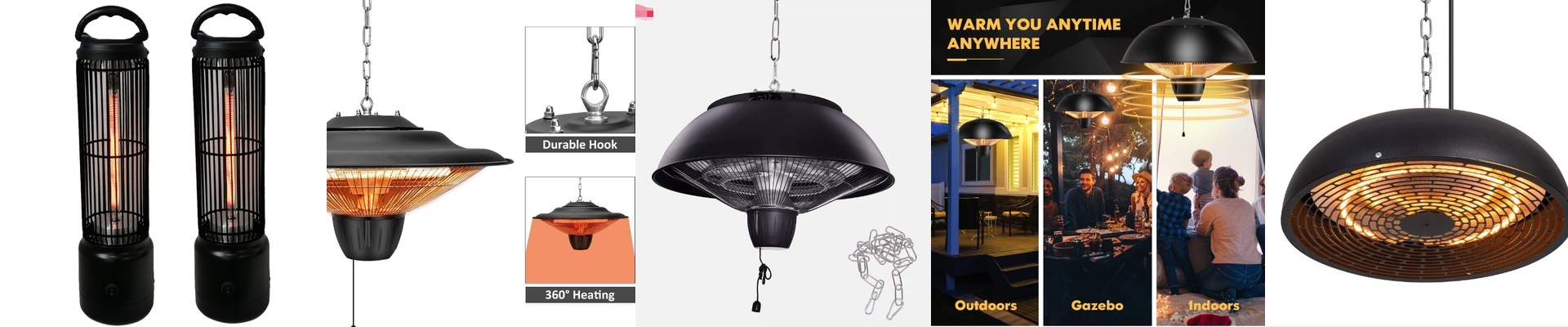
To get heat to penetrate a thick-walled preform, you can’t just “turn up the dial.” You need the right kind of energy. We use a high-pressure halogen cycle to push shortwave IR deep into the plastic. Because we’ve packed more wattage into a smaller space, we can force thermal energy through the material without the filament giving up on you. It’s about power density. More punch, less waste.
The gear
We didn’t want you to have to rewire your whole oven just to upgrade your bulbs. So, we made these drop-in replacements. Whether you’re using R7s or SK15 connectors, they plug right in. No fuss. We also use heavy-wall quartz glass because these things go through a lot of thermal stress during rapid cycling, and we don’t want them cracking on you. We also spec these at higher voltages. Why? Because it keeps things stable across long oven banks. You get a much tighter tolerance on the wattage, which means no more “cold spots” causing your bottles to blow unevenly.
Real talk: Life on the shop floor
Here’s the thing: these bulbs put out a massive amount of heat. That’s great for your cycle times, but it puts a lot of pressure on your ventilation. If your cooling blowers are clogged or just too weak, the air inside the oven gets too hot too fast. You’ll end up degrading the surface of the preform before the center even warms up. It defeats the whole purpose. And please, keep your reflectors polished. A layer of dust might not look like much, but it kills your efficiency. It forces the lamps to run hotter just to do the same job, and that’s a quick way to burn out your filaments. Keep them clean, keep the air moving, and these bulbs will do the heavy lifting for you.